All there is to know about bananas
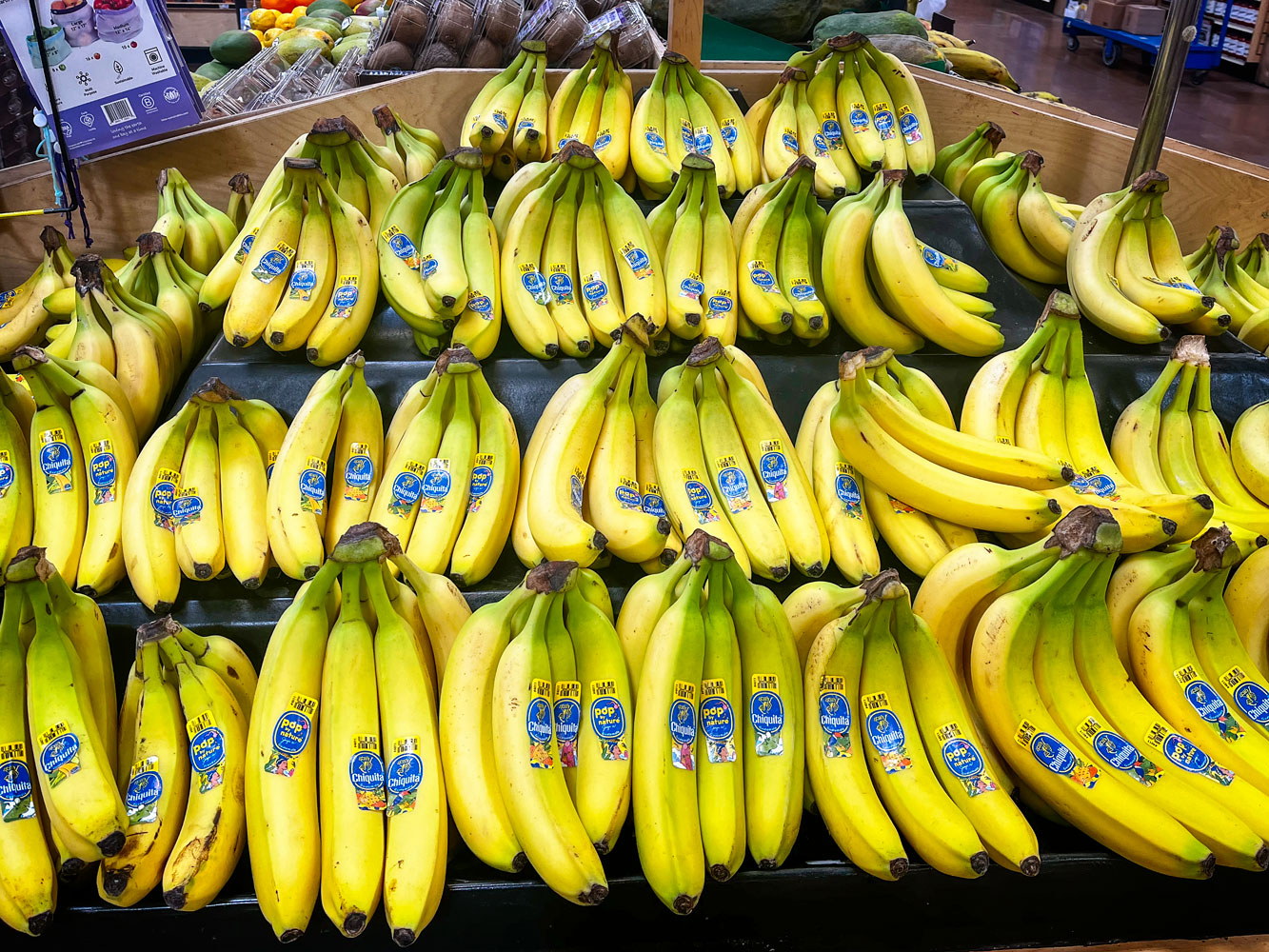
Cavendish bananas are the most common variety in grocery stores, as pictured here, but search for the many other varieties. Bananas are a nutritious and portable snack that can be enjoyed in many ways; even the peel has many health benefits.
Bananas are the most consumed fruit in America; according to thepacker.com, with 65% of households regularly purchasing them. More songs have been written about bananas than about any other fruit. Bananas are technically berries, yet their plants grow not from seeds but from bulbs. A cluster of bananas is called a hand, and a single banana is called a finger. Bananas have been depicted in ancient Egyptian hieroglyphs and first appeared in written history in the 6th century B.C. Most grocery stores only carry the Cavendish banana, while many other varieties exist with unique colors, shapes, and flavors.
As a banana ripens, its starch turns into sugar. For this reason, unripe or green bananas are high in starch, while ripe or yellow bananas contain more sugar. To keep banana clusters fresh longer, wrap the stem crown tightly with plastic wrap or aluminum foil. This helps trap ethylene gas—the natural ripening agent—so it doe not spread as quickly.
Bananas are low in calories and have no fat, no sodium, and no cholesterol. They contain vitamin C, potassium, fiber and vitamin B6. Research shows that eating bananas may lower the risk of heart attacks and strokes, as well as decrease the risk of getting some cancers, according to healthline.com. Bananas are the only fruit that contains the amino acid tryptophan plus vitamin B6, which helps the body produce serotonin—a natural substance that alleviates depression.
 Peel a banana from the bottom up, holding on to the stem like a handle (pictured right), to avoid the stringy pieces that cling to the fruit inside. Whether they are a grab-and-go snack, baked into breads or blended into drinks, bananas are versatile. A favorite is to blend frozen bananas into an ice-cream-like texture.
Banana peels, often discarded, are a nutrient-rich powerhouse, packed with fiber, potassium, and antioxidants that can support our health in many ways. Eating a raw banana peel may not be appealing, but there are creative ways to enjoy them. Suggestions include boiling the peel to soften it, then blending it into a smoothie with fruit, yogurt and honey to mask bitterness or adding a boiled or frozen peel to baked goods. The liquid from boiling peels can be used to fortify soups and curries. Make “pulled pork” by shredding ripe peels and sautéing them with onions, spices and BBQ sauce. Bake chopped peels into “chips” for a crunchy snack.
Banana peels have endless other uses. The inside of a banana peel will soothe a mosquito bite or burn. Rubbing a banana peel on your forehead is said to help cure a headache. Rub the inside of peels on houseplants to make the leaves shiny, and on leather shoes; then buff with a cloth. Lastly, bananas and banana peels make great fertilizer in the garden.
Article and photo by Lisa Nicklanovich; courtesy image