Cosmic reading

National Space Day, designated on the first Friday of May, celebrates the “extraordinary achievements, benefits, and opportunities in the exploration and use of space.” The observance promotes all the support industries required for continued space exploration and knowledge acquisition, states Nationaldaycalendar.com. Education in math, science, technology, engineering, accounting, meteorology, chemistry, physics, biology, photography and more are necessary and encouraged for our continued interstellar knowledge and achievements. Turn towards the stars and pick a space book to celebrate.
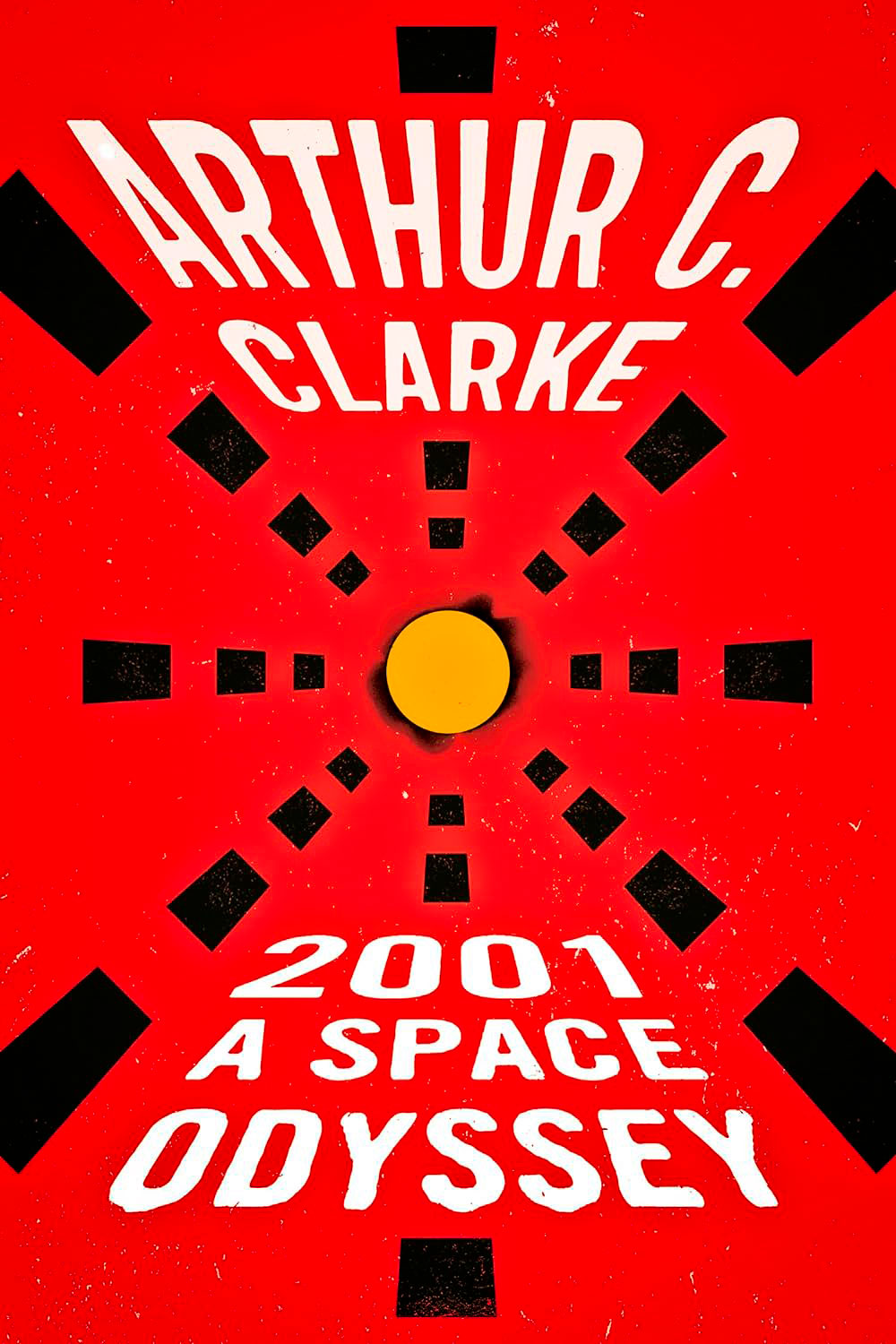 2001: A Space Odyssey by Arthur C. Clarke was written in tandem with Stanley Kubrick and his film of the same name; the book was published after the movie release, but follows early film drafts. The science fiction novel explores themes of interstellar alien influence, space exploration, artificial intelligence, isolation, technology and human evolution. Although published in 1968, the story and topics are still relevant.
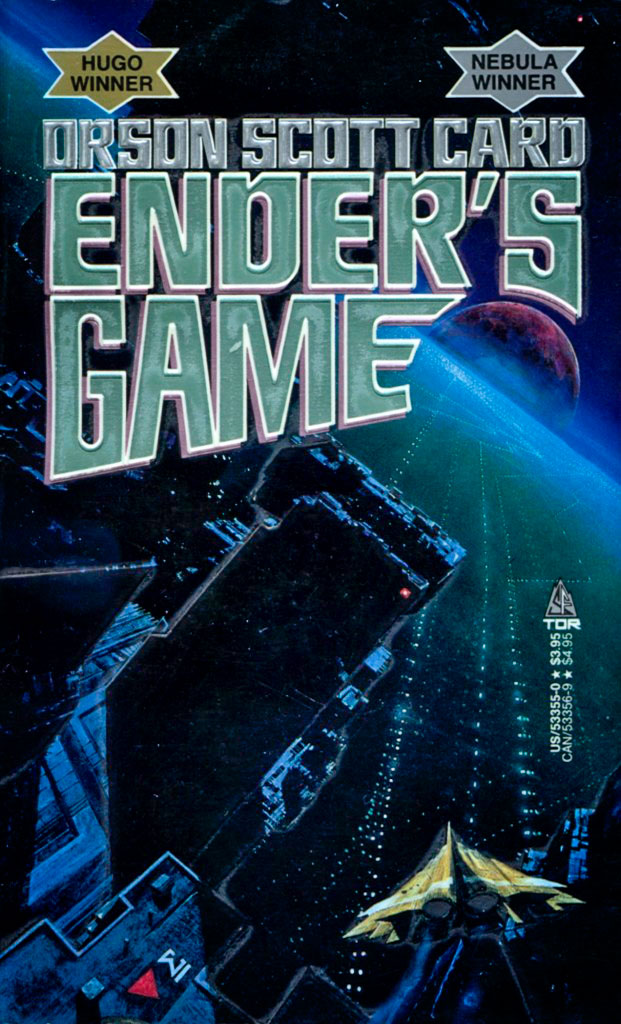 Ender’s Game by Orson Scott Card is a multi-award-winning science fiction book. Originally a short story published in 1977, Card expanded the story to full novel length in 1985. Set in a time when Earth has been attacked by insect-like aliens, the world military turns to gifted children for hope of victory at the next battle, including young Ender Wiggin. This is the first of six main books in the saga, with several short stories and subseries within the Enderverse.
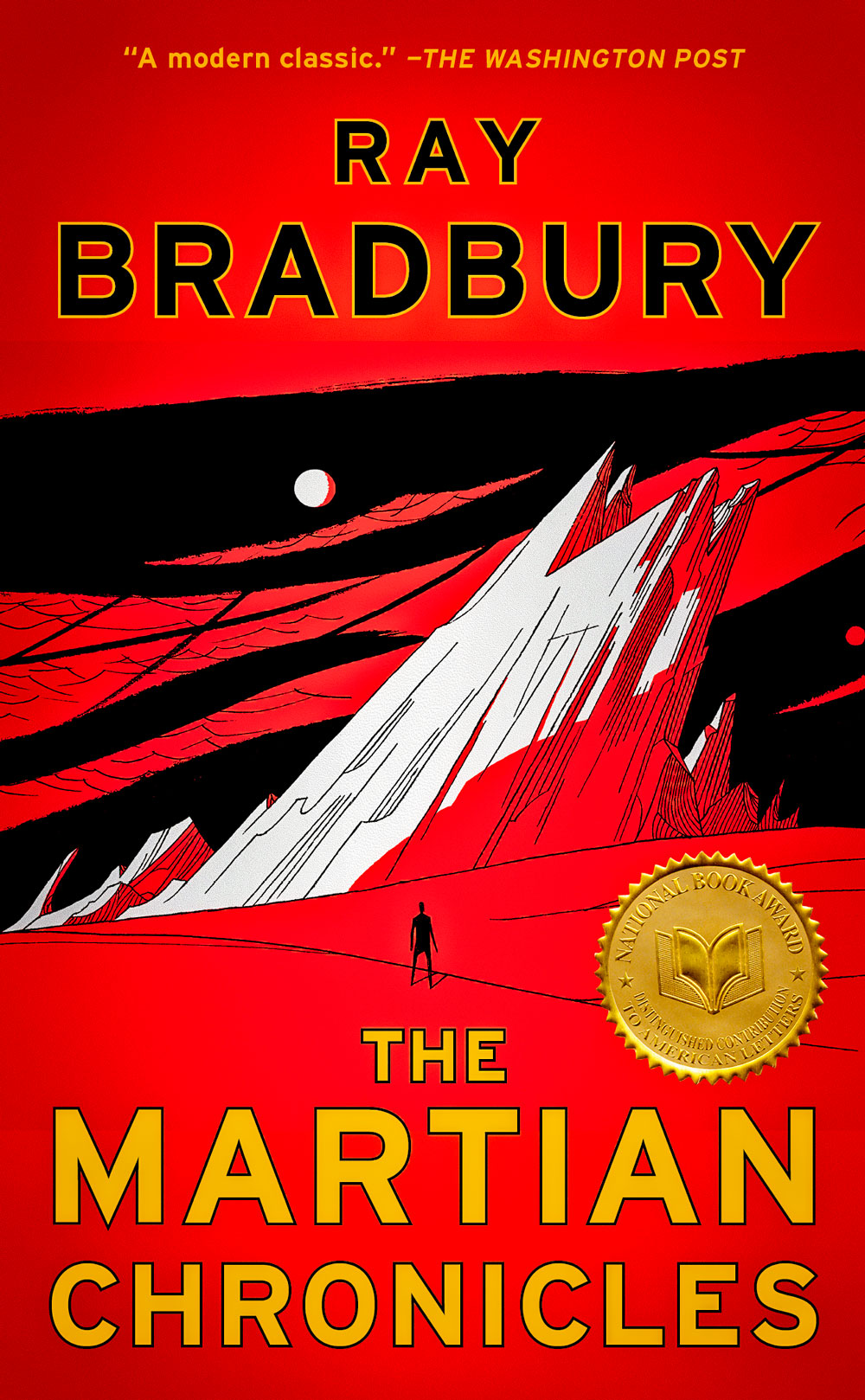 The Martian Chronicles by Ray Bradbury was first published in 1950. The science fiction, post- apocalyptic dystopian novel comprised of 36 short stories and vignettes with a collective storyline about colonizing Mars.
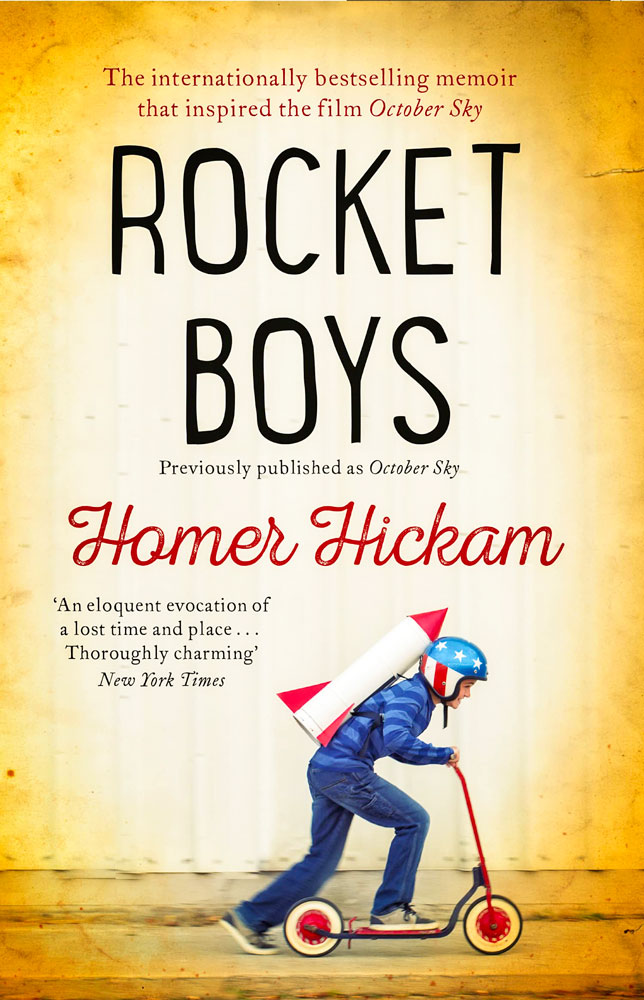 Rocket Boys by Homer Hickman is Hickman’s first memoir. Growing up in a hard-scrabble Appalachian mining company town in the 1950s-60s, Hickman and a small group of friends dared to dream. Inspired by the Sputnik satellite high overhead, the friends scraped together scraps and learned to build rockets. Written after his distinguished NASA career, Hickman’s book hit the silver screen under the anagrammed title October Sky, starring Chris Cooper, Jake Gyllenhaal and Laura Dern.
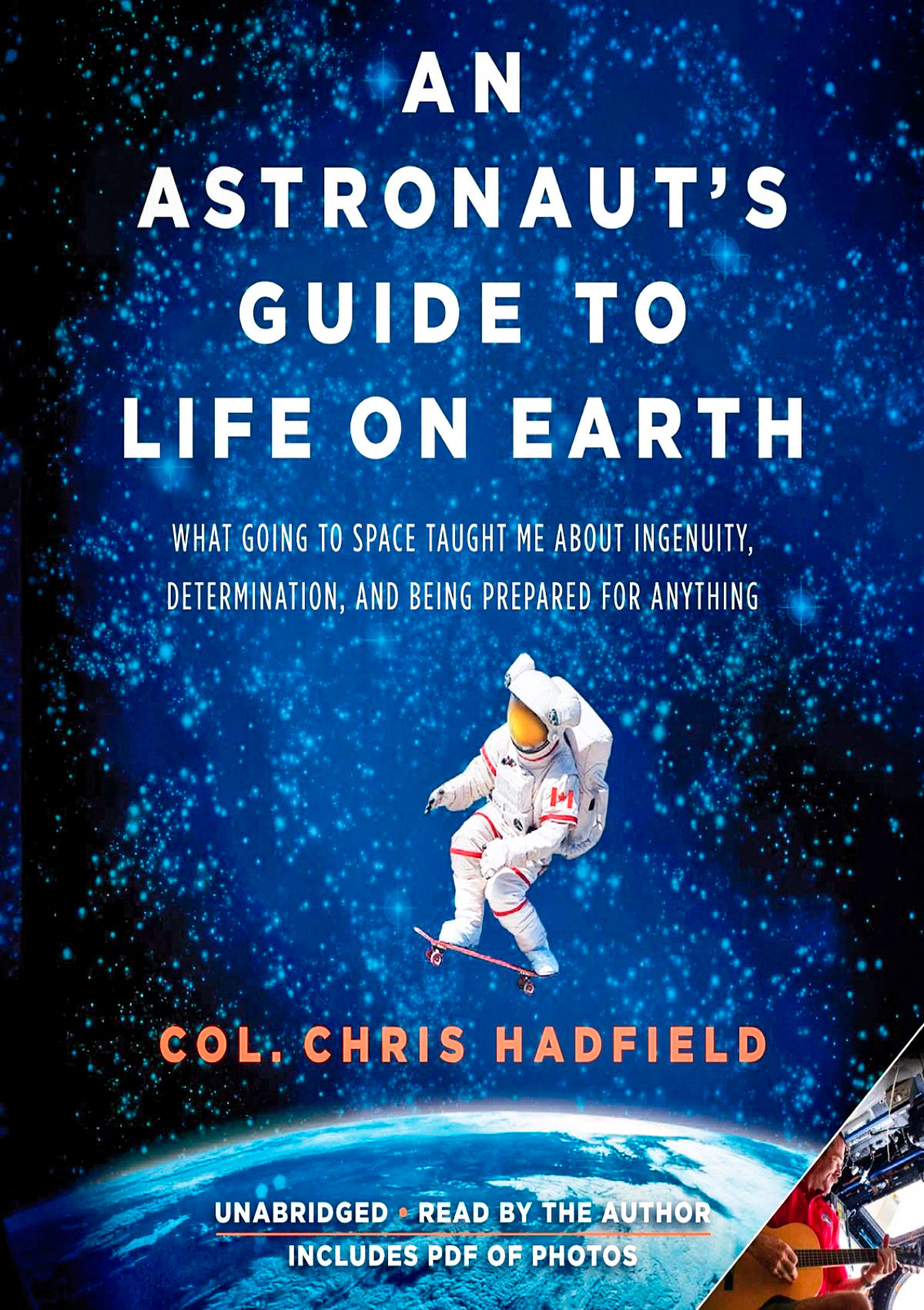 An Astronaut’s Guide to Life on Earth: What Going to Space Taught Me About Ingenuity, Determination, and Being Prepared for Anything by Colonel Chris Hadfield. NASA taught him to prepare for the worst and enjoy every moment of it. Hadfield uses his earth-bound preparation and experiences in space to show the reader how some of our approaches to success might be counterproductive. His wisdom, shared through anecdotes, entertains and teaches the reader an alternative way to view life here on our big blue marble.
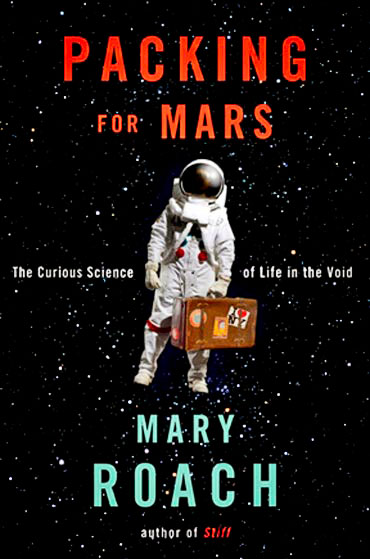 Packing for Mars: The Curious Science of Life in the Void by Mary Roach. With her trademark humor and in-depth hands-on research, science writer Roach takes the reader along on zero-gravity parabolic flights, to the Space Shuttle training toilet, and test drives a pressurized rover in the High Arctic. The entire book explores many of “the organic aspects of the space program,” explains Booklist writer Donna Seaman.
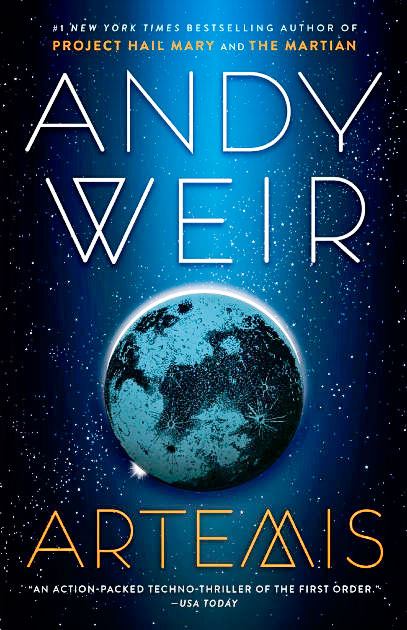 Artemis by Andy Weir is set in the singular lunar colony: Artemis. Jasmine, a successful criminal, only has ambitions to get out of debt and better her life…just a little. Unable to turn down a huge score, she finds herself entangled alongside plots and conspiracies that threaten Artemis.
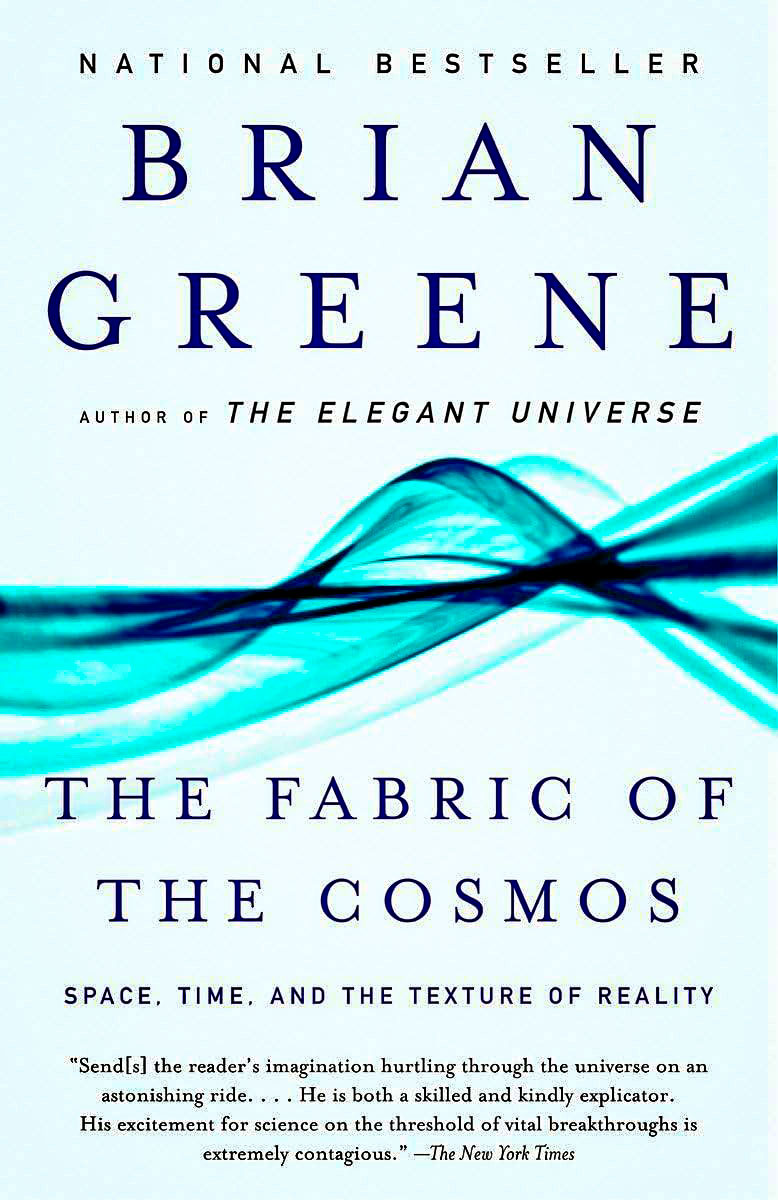 The Fabric of the Cosmos: Space, Time and the Texture of Reality by Brian Greene. “Greene takes us all, regardless of our scientific backgrounds, on an irresistible and revelatory journey to the new layers of reality that modern physics has discovered just beneath the surface of our everyday world,” explains the book blurb. Using analogies from common or everyday experiences, Greene describes the mathematical concepts that hold space and time.
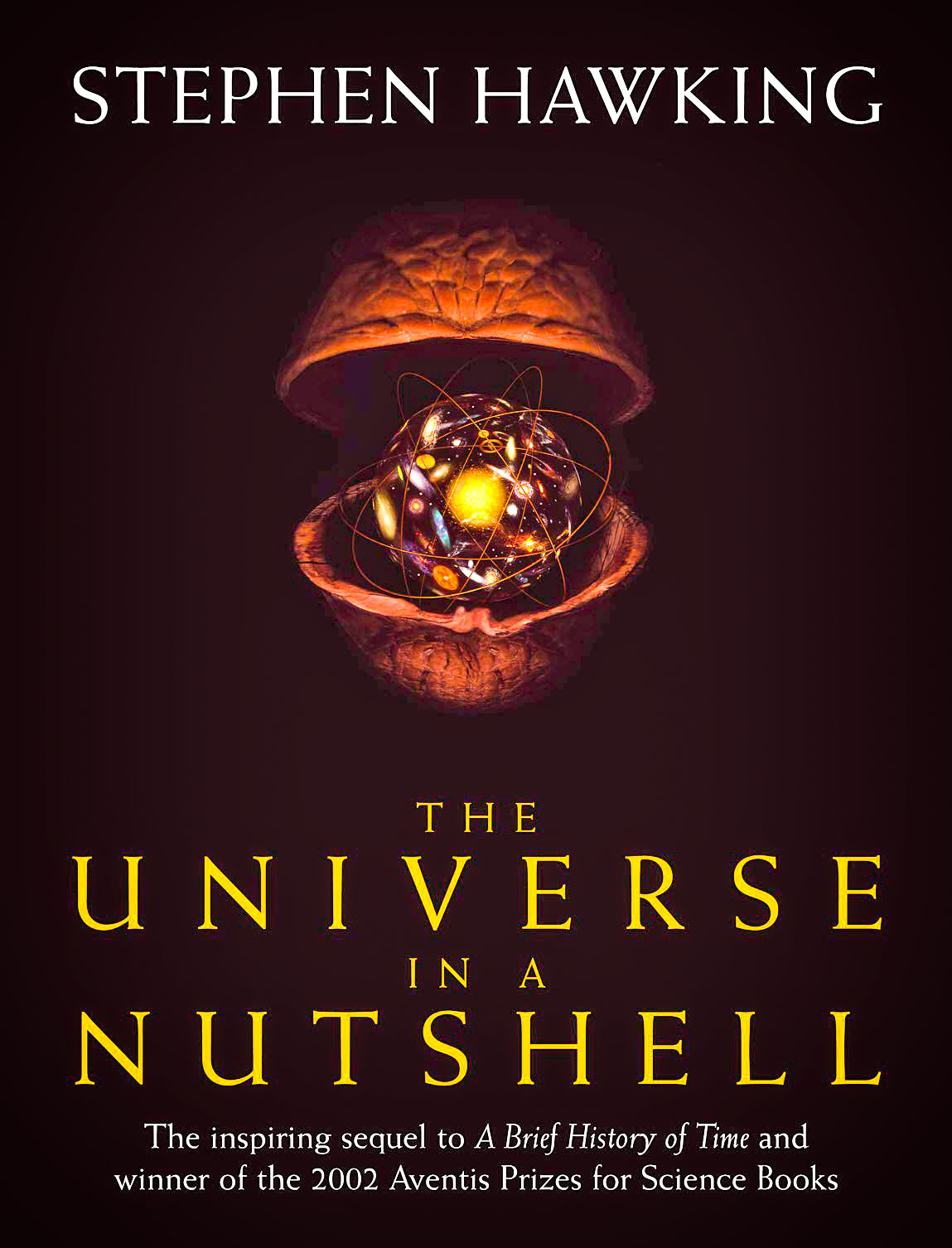 The Universe in a Nutshell by Stephen Hawking. Hawking spills the universe’s secrets with his playful and straightforward style. He simply teaches the reader about the Theory of Everything: supergravity, super symmetry, holography, p-branes and through space-time. Filled with several color illustrations, it is “essential reading for all of us who want to understand the universe in which we live,” states the book description.
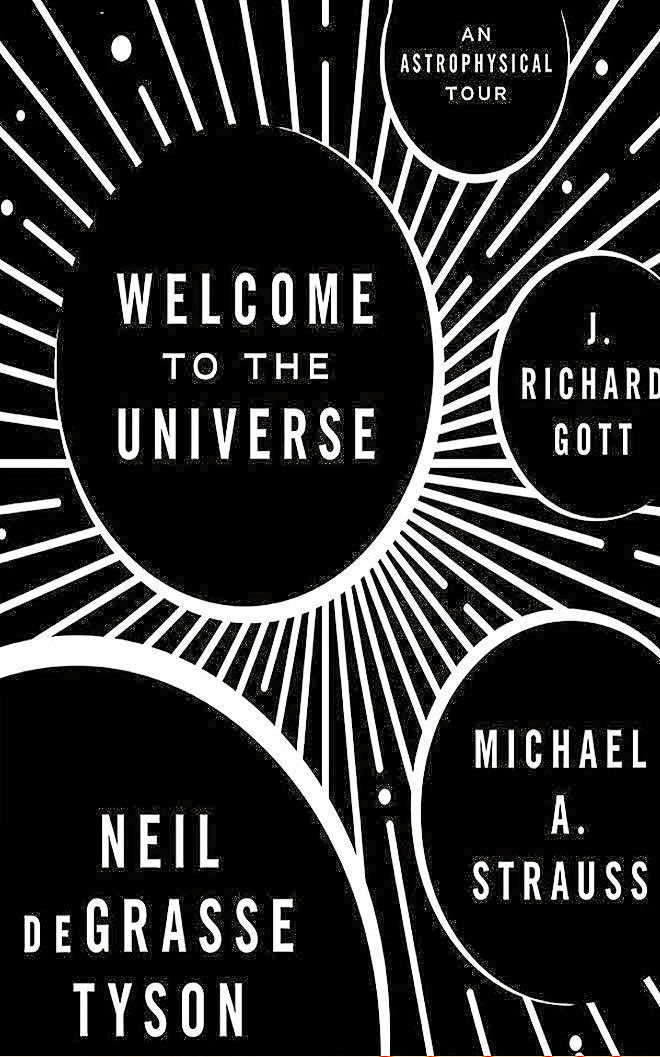 Welcome to the Universe: An Astrophysical Tour by Neil DeGrasse Tyson, Michael Strauss and J. Richard Gott is a “personal guided tour of the cosmos by three of today’s leading astrophysicists” states the book blurb. The book was inspired by the Princeton introductory astronomy course jointly taught by all three authors. It covers a wide range of spacey topics: intelligent life, stars, wormholes, the expansion of our universe, black holes, planets, galaxies, universe versus multiverse and many more.
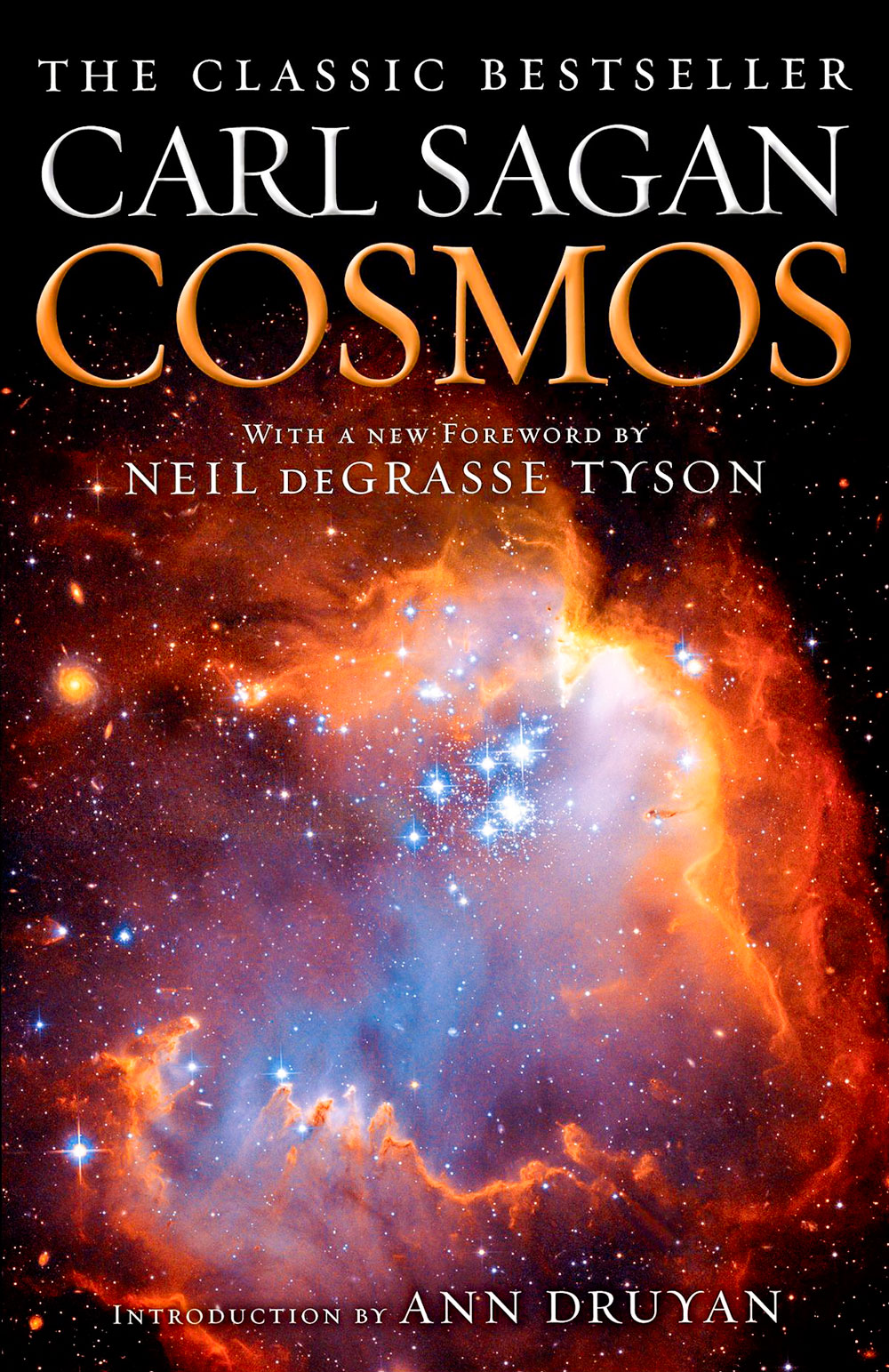 Cosmos by Carl Sagan. Full of color illustrations, Sagan’s book is a companion to his multipart PBS television series. Covering a broad range of topics, the book includes Sagan’s insights and knowledge about science, evolution, civilizations, cosmology, astronomy, biology and more. His layman’s descriptions of complex concepts make this book approachable to anyone with interest in it.
By Celeste McNeil; courtesy photos