Verse it up

April is national poetry month. Established in 1996 by the Academy of American Poets to “increase awareness and appreciation across culture and education,” it has “become the largest literary celebration in the world,” states the Academy. With dozens of types of poems, there is something for all levels of poetry engagement. Take a look at the suggested poetry books and see what catches your interest.
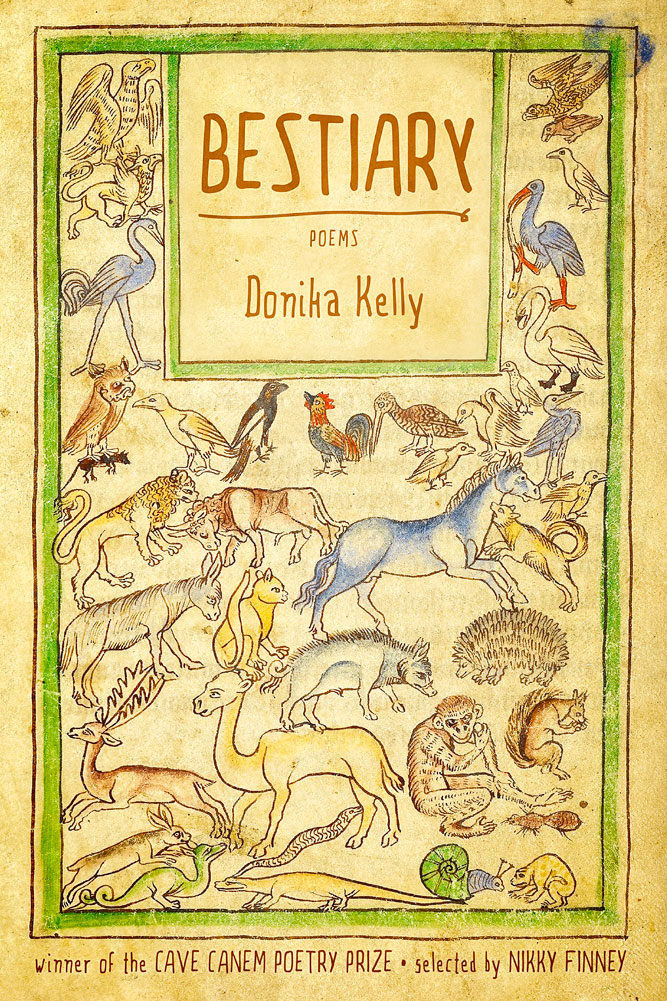 Bestiary: Poems by Donika Kelly is a prize-winning compendium of animals, mythical monsters and legendary beasts. Written in the tradition of illuminated medieval bestiaries, Kelly’s first book weaves in poems about travel, self-discovery and poses questions about “who or what is the real monster inside this life of survival and reflection,” states the book description.
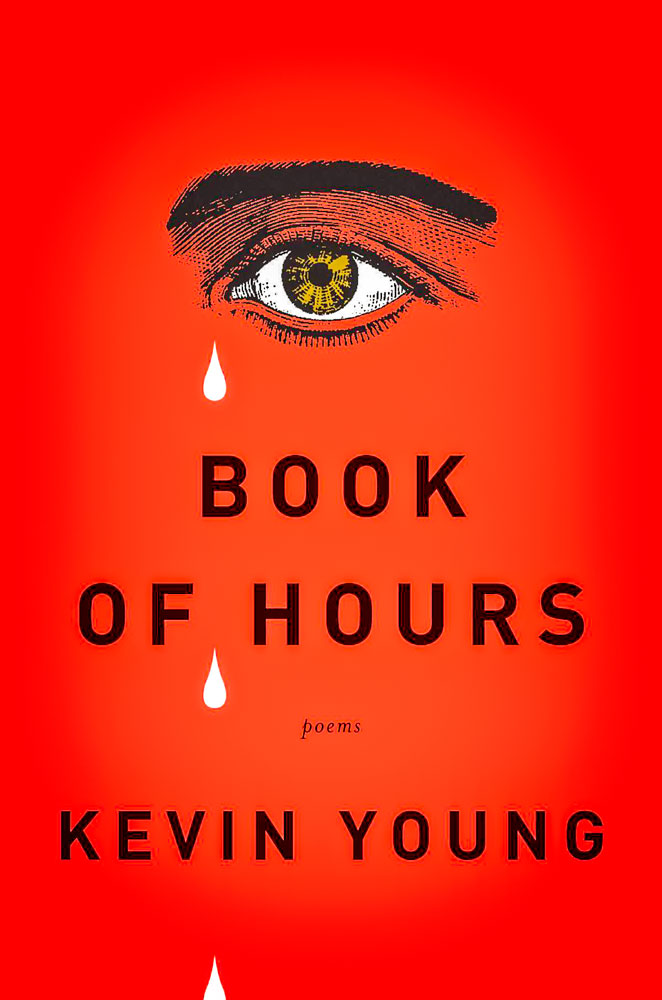 Book of Hours: Poems by Kevin Young deals with the competing realities of death, with its unfolding grief, and the origami of birth, including hope for the future. Young taps into his bereavement following his father’s death and the tempering of anguish with the birth of his son.
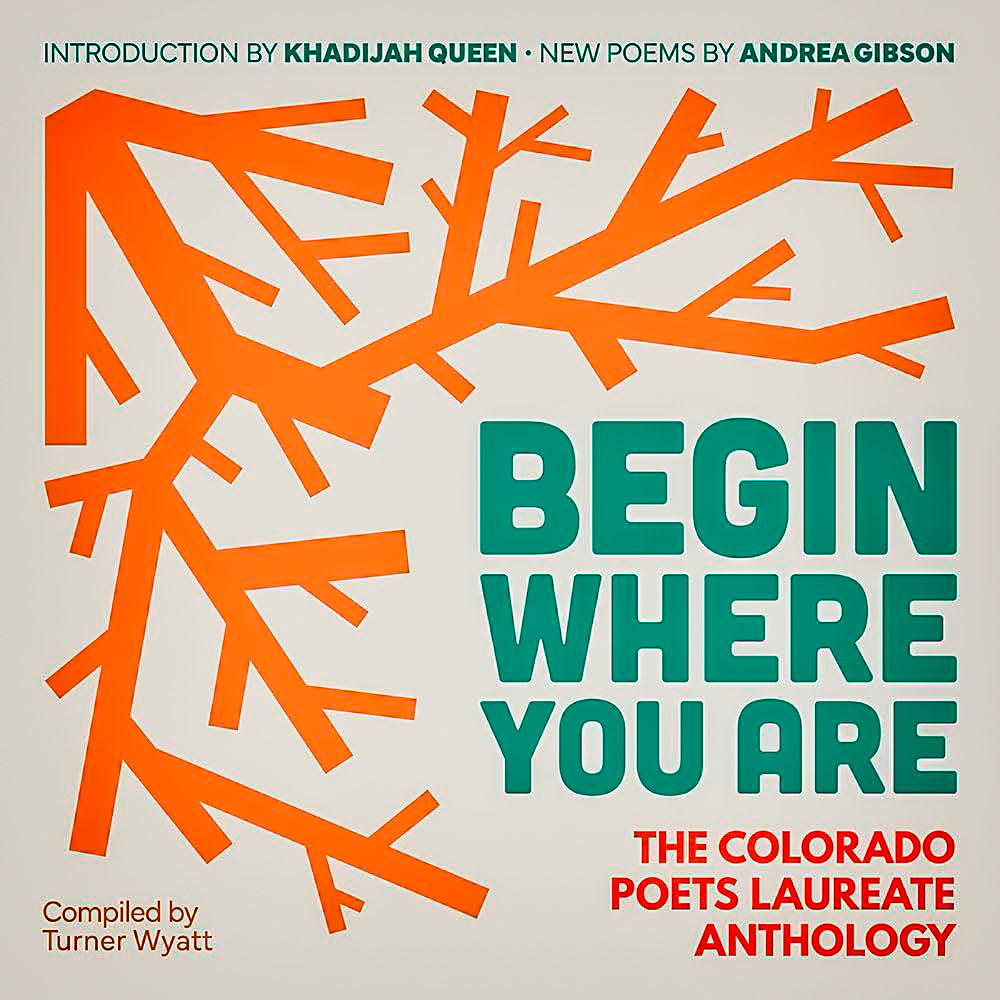 Begin Where You Are: The Colorado Poets Laureate Anthology compiled by Turner Wyatt is the first anthology in the country to focus on state poet laureate works. Colorado has the second longest poet laureateship, established in 1919. This book includes poems written in the past hundred years by our state poet laureates and perspective commentary about the four-year term appointment. Visit coloradopoets.org.
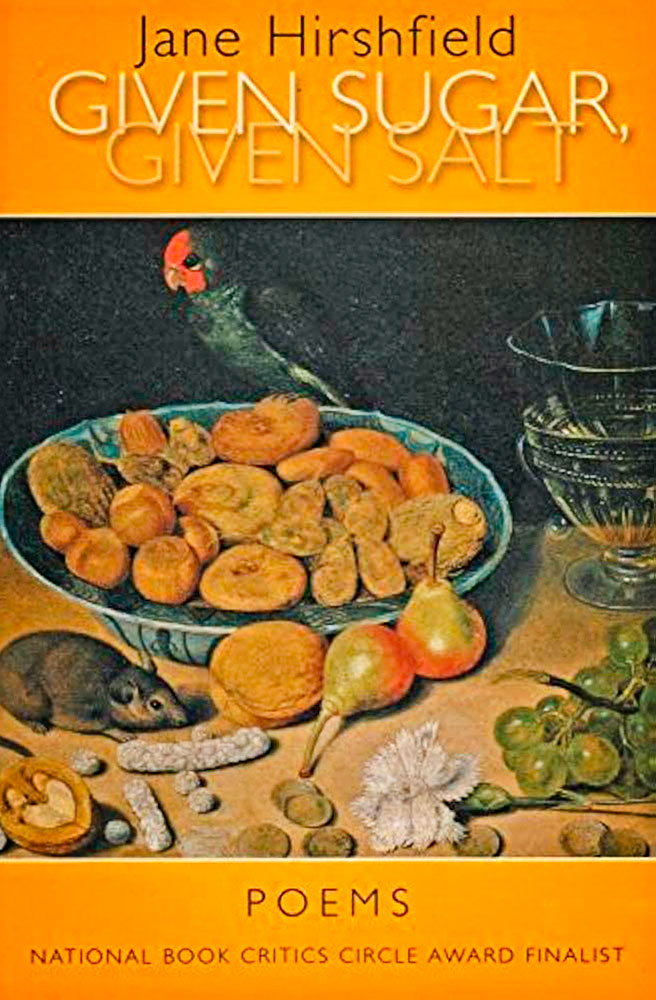 Given Sugar, Given Salt: Poems by Jane Hirshfield. Using mundane, universal or simple subjects, Hirshfield uniquely magnifies their meaning through her exploration. Aging, death, time, habits and sleep are just a few of the topics she studies.
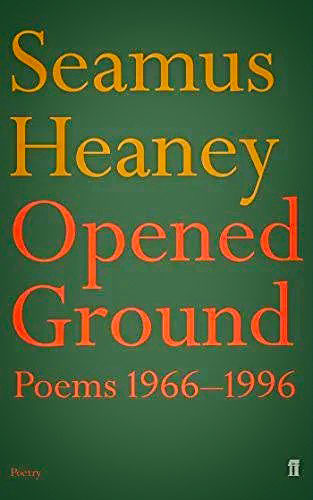 Open Ground: Selected Poems 1966-1996 by Seamus Heaney is a collection of poems spanning three decades. It includes selections from 12 previous books, sequences from two translations, previously uncollected poems and his Nobel Lecture: “Crediting Poetry.” Heaney, an Irish playwright, translator and poet, won the Nobel Prize in Literature in 1995.
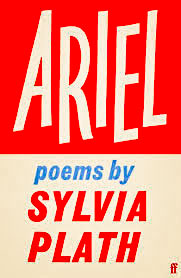 Ariel by Sylvia Plath contains more than 40 poems. The collection is drastically different from her earlier work and marked by “free-flowing images, and characteristically menacing psychic landscapes,” states a description of the collection. Originally published in 1965 by her husband, two years after her suicide, the volume was republished in 2004, reordered to reflect Plath’s formatting intentions and included many of her notes and margin commentary. It won the 1982 Pulitzer Prize for Poetry.
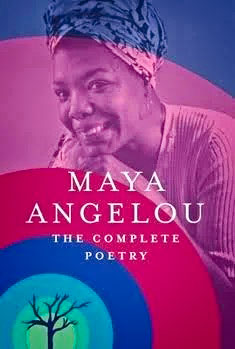 The Complete Poetry by Maya Angelou was published in 2015, after Angelou’s death. It is an expansion of The Complete Collected Poems of Maya Angelou and includes long-form poetry and others not included in the original anthology. Her poem for Nelson Mandela and the previously unpublished poem commissioned for the 2008 Beijing Summer Olympics, “Amazement Awaits,” are included.
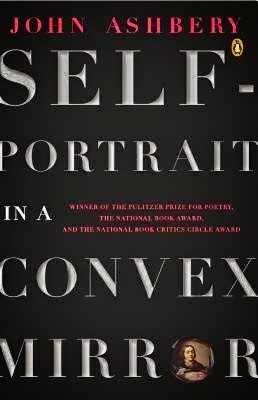 Self-Portrait in a Convex Mirror by John Ashbery was awarded the Pulitzer Prize, A National Book Award and the National Book Critic’s Circle Award. The title poem is a meditation on the famous self-portrait of Italian late Renaissance artist Parmigianino, painted in 1524. The book of poems also includes several shorter, witty and playful works.
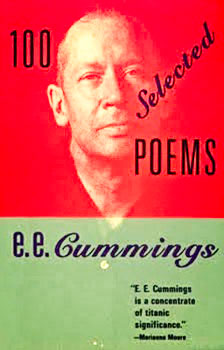 100 Selected Poems by E.E. Cummings is a collection that “exhibits all the extraordinary lyricism, playfulness, technical ingenuity, and compassion for which Cummings is famous,” states the book description. His full body of work totals nearly 3,000 poems, these 100 were collected and published in one tome three years before Cummings’ death.
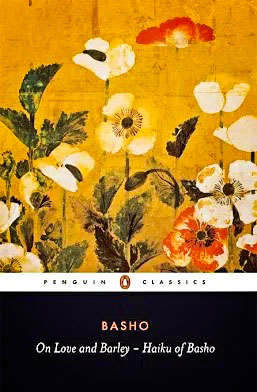 On Love and Barley: Haiku of Basho by Matsuo Basho. Basho, a travel writer and poet from 17th century Japan is still regarded as the master of haiku. He was well traveled throughout Japan and wrote with a lightness of touch—‘karumi’—about the world around him.
By Celeste McNeil; courtesy photos