The power of flour
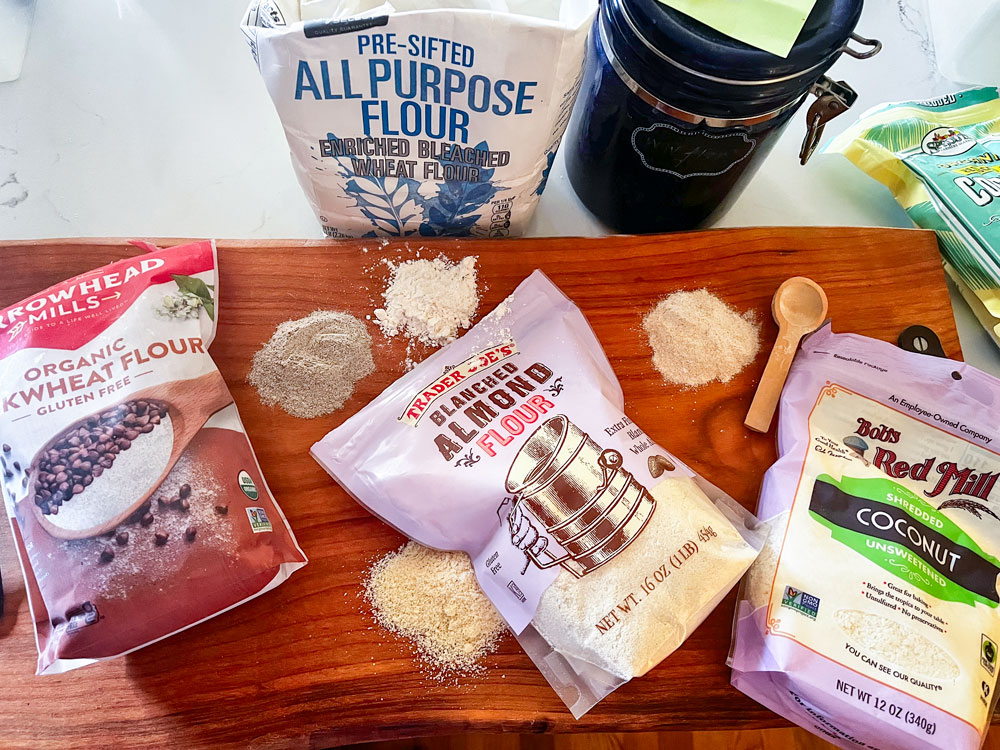
Buckwheat, almond and coconut flours are just a few examples of alternatives to all-purpose flour. These flours offer more nutrition and different textures and flavors than white flour.
A well-stocked baking aisle in a grocery store can have such a great variety of alternatives to all-purpose flour that it can be overwhelming. While bakers understand that the type of flour used can make all the difference in the quality and taste of the final product, many of us can find it perplexing. All-purpose, cake, bread and pastry flour sound self-explanatory, but there are many other interesting options out there.
If increasing protein intake is a goal, whole wheat flour has more protein than white. Or, try chickpea flour, which has nearly double the protein and five times the fiber of white flour. Made from chickpeas, this flour offers a slightly sweet taste, coarse texture and strong binding power, making it well-suited for pizza crusts, veggie burgers and fritters.
Made from ground-blanched almonds, almond flour is high in protein, full of fiber and high in vitamin E. The rich nuttiness works nicely for both sweet and savory recipes. Almond flour is a good substitute for breadcrumbs in meatballs or chicken cutlets.
Oat flour provides many of the same benefits as a bowl of oatmeal, thanks to its high content of fiber, protein and complex carbohydrates. The texture works well in cookies and quick breads.
Despite the name, buckwheat does not contain wheat and is a gluten-free member of the rhubarb family. Buckwheat flour is made from seeds that are packed with fiber, essential amino acids and magnesium, helping provide energy and build muscle. Buckwheat flour has an earthy flavor that works well in pancakes, muffins, breads and savory crepes, but should be added sparingly.
Coconut flour is made from dried coconut flesh. The soft texture and coconut flavor work well in sweet recipes and work best in recipes that call for it, since it is thicker than regular flour and retains more liquid.
For those avoiding gluten, look for gluten-free all-purpose flour that can be substituted in any recipe that calls for all-purpose flour. Gluten-free flour is usually mixed with different grains to give lighter results and mimic regular flour as closely as possible. Other gluten-free flours include rice, almond, buckwheat and coconut, but these may not work as a one-to-one substitute in recipes. Do some research and/or look for recipes that call for these types of flour.
The flours listed are but a few of the wide variety available. Experimenting is necessary, as every alternative flour has different flavors, consistency and characteristics that will create varied results.
Article and photo by Lisa Nicklanovich