Colorado living: Baking and cooking at altitude
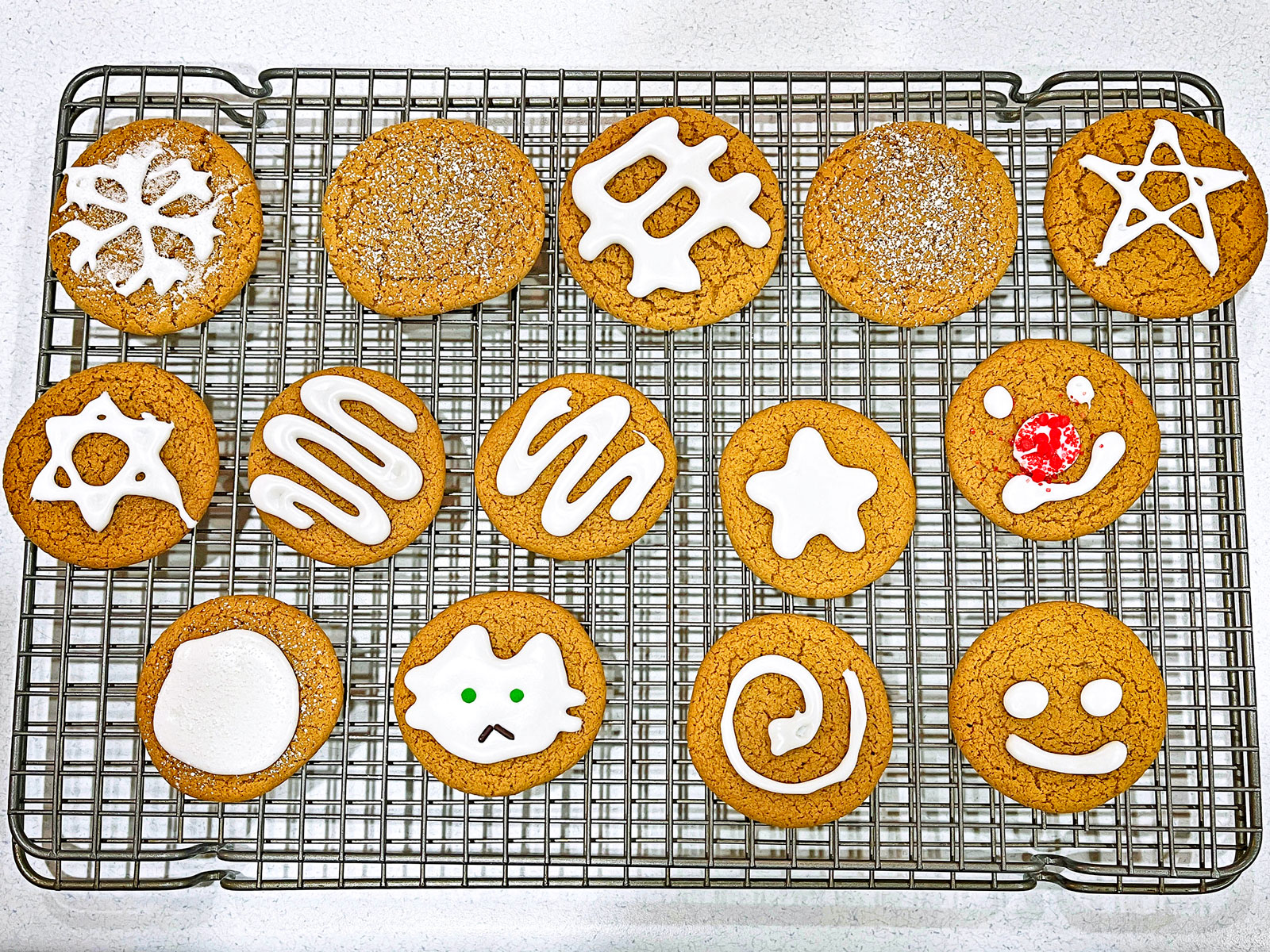
Baking and cooking can be challenging at elevations 3,000 feet above sea level and higher (like us at 6,000 feet) because of lower air pressure and often drier air. These conditions affect food preparation in two main ways: liquids evaporate faster and boil at lower temperatures, and leavening gases in breads and cakes can expand quicker. For sea-level recipes to succeed at altitude, they often need adjustments, including changes in time, temperature and ingredients. The Colorado State University Extension Office offers many helpful suggestions. Here are a few:
Foods that boil or simmer need to cook longer because the boiling water will have a lower temperature at higher elevations.
Water’s lower boiling point affects deep fat frying, too. You will need to lower the temperature of the fat to prevent over-browning on the outside plus undercooking on the inside. The decrease varies depending on the food being fried, but a good estimate is about 3°F lower for every 1,000 feet higher in elevation.
At higher elevations, food tends to taste blander, so above about 7,000 feet, you might want extra spices or flavorings to enhance flavors.
For yeast breads, decreased atmospheric pressure means the dough rises too fast. To counteract this, use less yeast, or punch down the dough and allow it to rise a second time before molding it into loaves or rolls.
In high, dry climates, flours tend to be drier and absorb more liquid, so you might need less flour or additional liquid to get your dough to the proper consistency.
Even at lower elevations, cookies can sprawl on the baking sheet, due to their high sugar and fat content. Cookie recipes from sea-level are often improved by slightly decreasing the baking powder or baking soda, slightly decreasing the fat and/or sugar, slightly increasing the liquid and flour, or slightly increasing the baking temperature. Also note that chilling the cookie dough or using parchment paper on the cookie sheet can help decrease the spread during baking.
At altitude, one-bowl cake recipes can experience excessive rising, leading to a coarse texture or fallen cake. Adjustments that help counter this issue include reducing the baking powder and/or baking soda, decreasing the sugar and increasing the liquid. Another adjustment is increasing the baking temperature by 15° to 25°F to help set the batter, but note that might mean reducing the time, so check your cake while baking.
For rich cakes at high elevations, to help keep the cake from falling, you might need to reduce the shortening by 1 or 2 tablespoons and increase the amount of egg.
Do not automatically assume your lower-elevation recipes will fail at altitude. Try them first—they might need little or no modification. If they do need adjusting, start small first; that might be all you need. And do not be afraid to experiment. Repeated experiments might give you the most successful proportions to use, along with plenty of opportunities for fun taste testing.
This is just a sampling of the tips available for baking and cooking at altitude. For more information, search “high altitude cooking” at extension.colostate.edu and www.fsis.usda.gov.
Article and photo by Susan Helton