Colorado living: High and dry
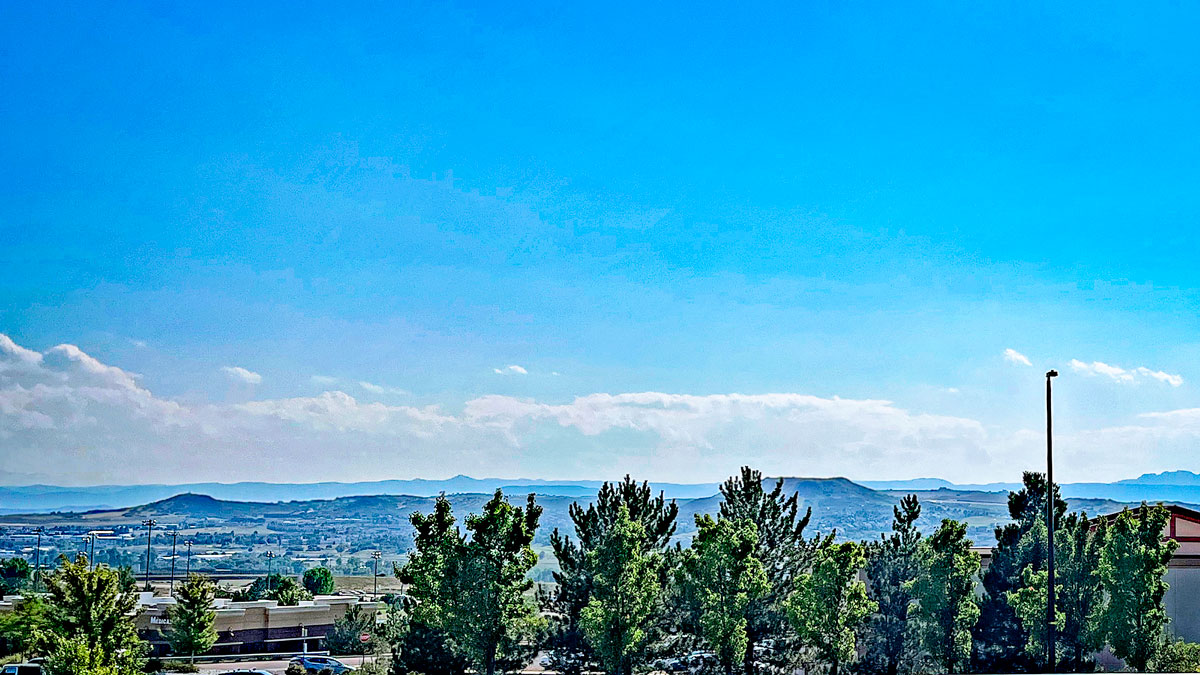
Colorado’s sunny days and beauty invite us to spend time outdoors. But as a semi-arid region with generally quite low humidity and an average elevation of about 6,800 feet above sea level, there are some considerations for living in the state and enjoying outdoor time.
Colorado’s elevation is higher than many other parts of the country, which means that the air is thinner by comparison. Air contains 20.9% oxygen at all altitudes, but lower air pressure at higher altitudes makes it feel like there is a lower percentage of oxygen, or effective amount of oxygen. At the moderate altitude of 5,000 feet, roughly the elevation of Denver, the effective amount of oxygen in the air is 17.3%. At Aspen’s elevation of 8,000 feet, which is considered high altitude, the effective amount of oxygen is 15.4%. Thin air also makes for intense sunlight and increased exposure to ultraviolet (UV) light.
While outdoor work and play can often be relatively comfortable year-round, dehydration, sunburn and shortness of breath are potential problems, especially for newbies and visitors. Because individuals are not getting as much oxygen, they may feel lightheaded and dizzy. Drinking an alcoholic beverage can increase those sensations, even after just one drink, leading to the perceived feeling that one drink at altitude affects a person more than at lower elevations.
Here are some tips for living (and visiting) high and dry:
- Hydrate throughout the day, because the dry air can mean decreased body moisture. Hydrating can also help your body adjust to altitude.
- Protect your skin from overexposure to UV. Applying a serum with Vitamins C and E in the morning and regular applications of sunscreen throughout the day can help prevent sun damage.
- Protect your eyes. Choose sunglasses with UV protection, not just a tinted lens. Moisturizing eye drops can help alleviate that scratchy, dry-eye sensation.
- If you drink caffeinated beverages, you do not need to stop when you go to higher altitudes. Caffeine stimulates your brain, kidneys and breathing, all of which can be helpful at altitude.
When planning activities for higher altitudes, something to keep in mind is altitude illness. Altitude illness can affect anyone traveling above roughly 8,000 feet, including children. Adjusting to altitude (acclimatizing) is the key to avoiding Acute Mountain Sickness (AMS), the mildest form of altitude illness and the most common. Almost everyone experiences mild breathlessness and fatigue when visiting or moving to higher elevations, but symptoms of AMS include headache, dizziness, severe fatigue, lack of appetite, nausea and occasionally vomiting. AMS typically improves rapidly with a descent of 1,000 feet or more, especially if exertion is kept to a minimum.
For more information, visit vailhealth.org and search “altitude,” or visit highaltitudedoctor.org. To learn more about AMS, visit cdc.gov and search “altitude.”
Article and photo by Susan Helton