Counting Geigers: A rich Spring Valley history

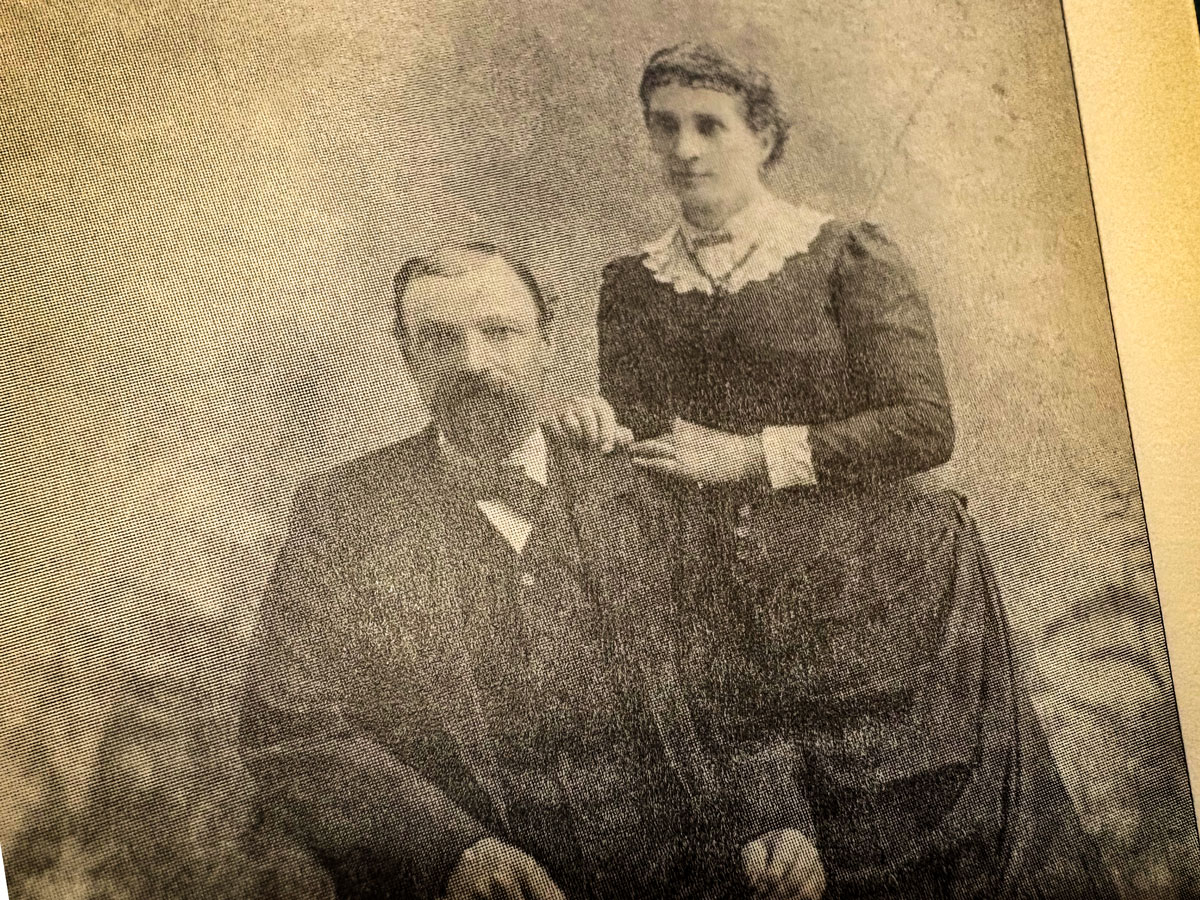
John and Annie Baker Geiger had eight children and were a can-do family in the Spring Valley settlement near Elizabeth.
Northeast of Castle Rock, near Elizabeth, are the remains of Spring Valley, a historic rural settlement known to most as a stagecoach stop on the West Cherry Stage Road along Running Creek. Today, relics can be found at the 10th tee box of the Spring Valley Golf Club.
Spring Valley was settled by French, British and German pioneers. The Geiger family was arguably the most prolific and industrious of the early wave. John Geiger was born in Wisconsin in 1841, first exposed to the area as a Union soldier while moving Confederate prisoners through the territory. At war’s end, he returned, like many others, seeking his fortune in gold. By 1876 he had perfected his homestead claim on the NW ¼ of Section 33. Not long after, he found his mate, Annie Baker, in 1879. By the early 1890s, a Geiger family counter would reach 10, John, Annie and eight little ones.
While a large family made for insurance given disease risks of the day, it also made for a small industrial complex. As the family grew, so did the homestead, with the addition of an icehouse, blacksmith shop, smokehouse, grist mill, stables and hay barn. The family shorthorn cattle brand was “UP,” but the Union Pacific Railroad forced John to abandon it.
Pigs were also part of matrix, as were crops like wheat, potatoes and corn. Crops would be ground by a primitive grist arrangement with a horse walking around in a circle. The youngest Geiger, Gertrude, got the job of keeping the horse in line. Wood gathering included saving sawdust to insulate ice into the summer with scrub cuts used in the smokehouse. With John’s brother Jacob, the Geigers also operated the local grocery store, featuring fresh berries and vegetables from their garden.
John was multi-talented, serving well beyond the homestead. Being a master carpenter, he oversaw the construction of numerous wooden bridges in the county, as well as the local school. Organizing was in his blood, and he was instrumental in founding Divide Grange #53 and later served as county commissioner. (Granges were agricultural advocacy groups throughout the nation).
Despite Annie’s struggles with chronic asthmatic conditions, she was driven, equal to her husband in a variety of ways, especially as a linchpin in local Methodist church circles and a staunch member of the Woman’s Christian Temperance Union. With abstinence from alcohol at its core, it was perhaps the first significant organization that fought for women’s rights.
By 1917, the Geigers were sufficiently well off to consider retiring to Florida. When John learned of virtually free land patents available to Civil War veterans, he made his plans. Unfortunately, Annie was struggling mightily at the time and remained under the care of her daughter living in Monument, where she died in 1921.
Still healthy and energetic, John made the move to the Sunshine State and operated his new property as a fruit orchard until he died. Today, the Geiger Ranch in Florida remains in family hands, sticking with what made it successful over the prior 150 years.
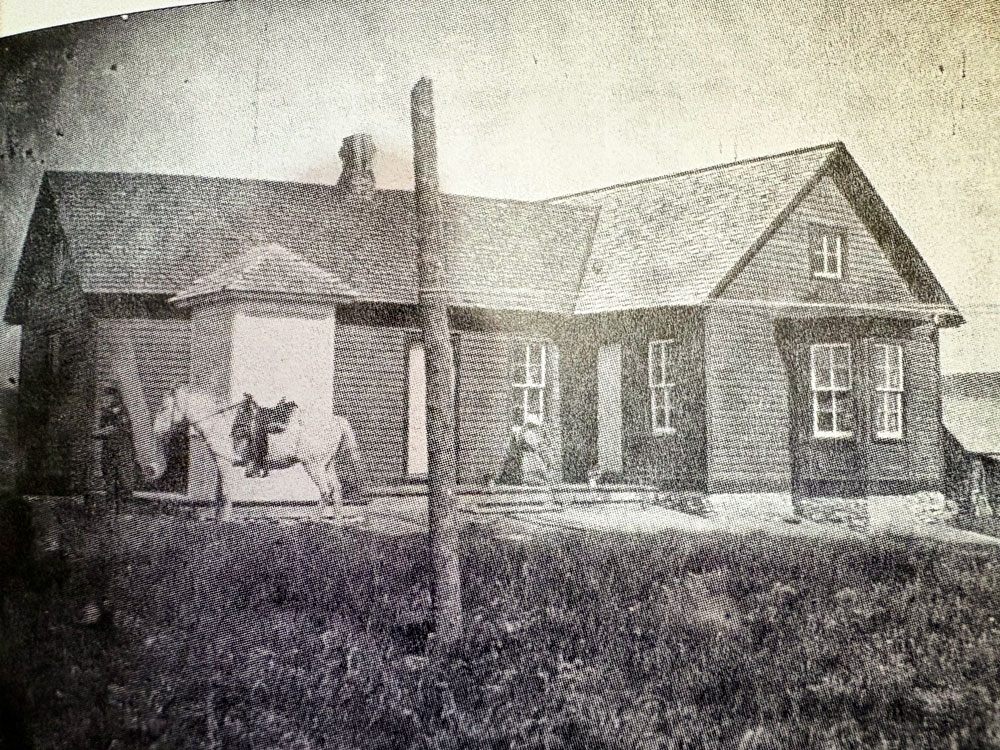
The Geiger homestead was built by John; there was nothing that he could not build from the ground up.
By Joe Gschwendtner; photos courtesy of Larkspur Historical Society and the Geiger family