Time to get organized

As the hubbub of the holidays fades this month, many turn to tackle the mess of modern life. This month’s books aim to help get organized. Whether your mind, space or inbox are feeling cluttered and disorganized, pick a book to help create calm in the chaos.
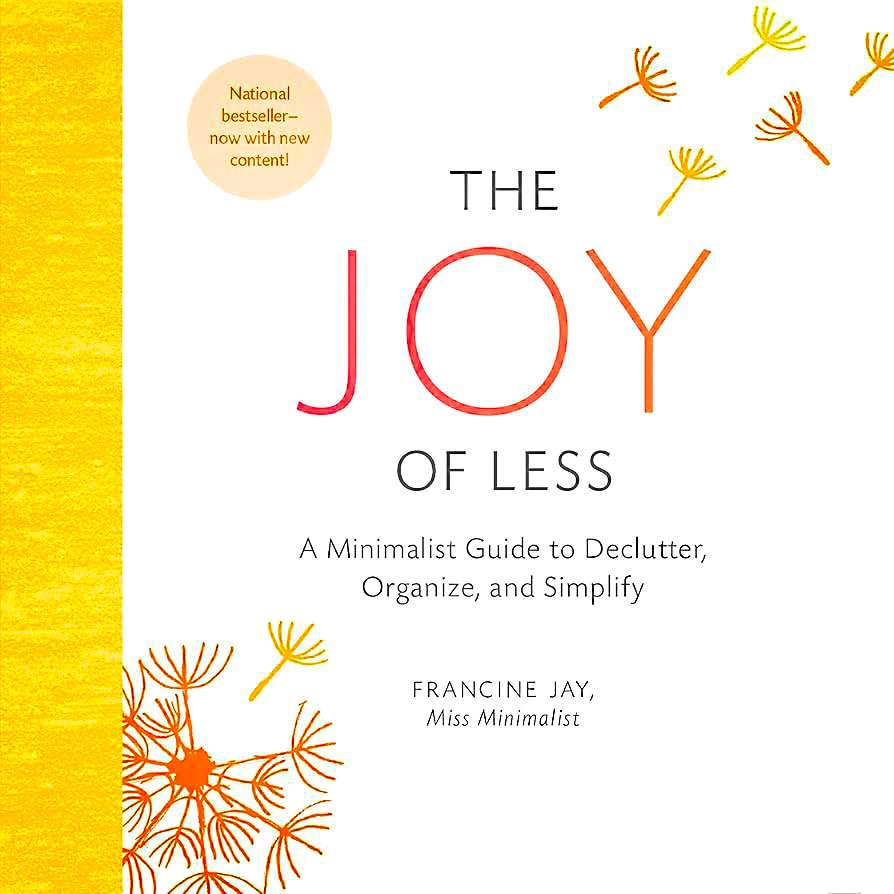 The Joy of Less, A Minimalist Living Guide: How to Declutter, Organize, and Simplify Your Life by Francine Jay is a four-part book that details why and how to simplify your life by decluttering your home. In ten steps, Jay teaches the streamline method for paring down possessions room by room. She also tells the reader how to trim the to-do list to free up not only space but also time.
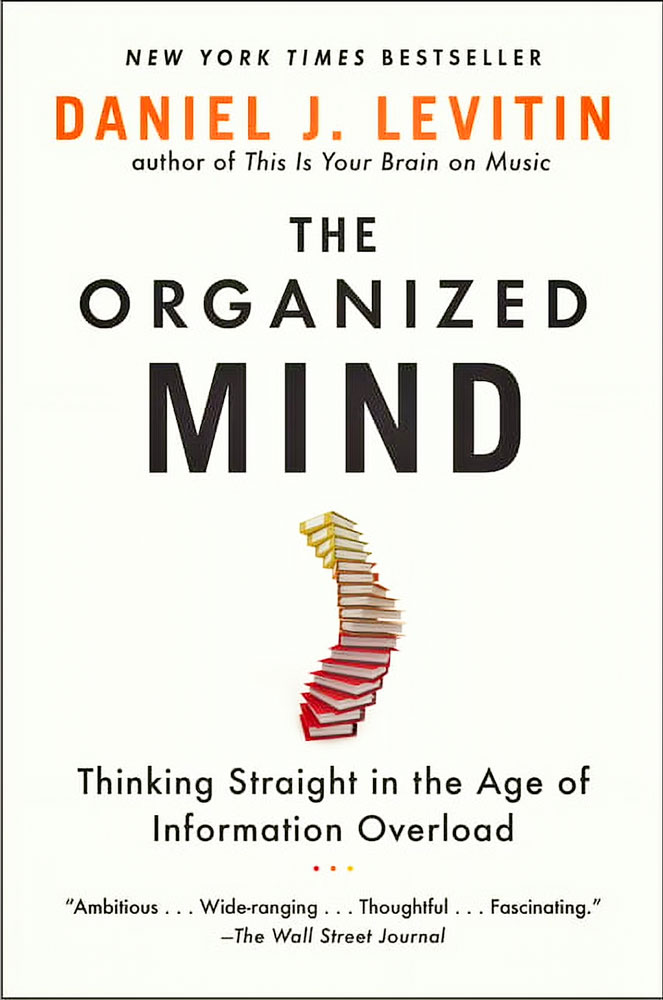
The Organized Mind: Thinking Straight in the Age of Information Overload by Daniel J. Levitin. Neuroscientist Levitin uses memory and attention brain science to illustrate and explain how we can master organization in our spaces and with our time.
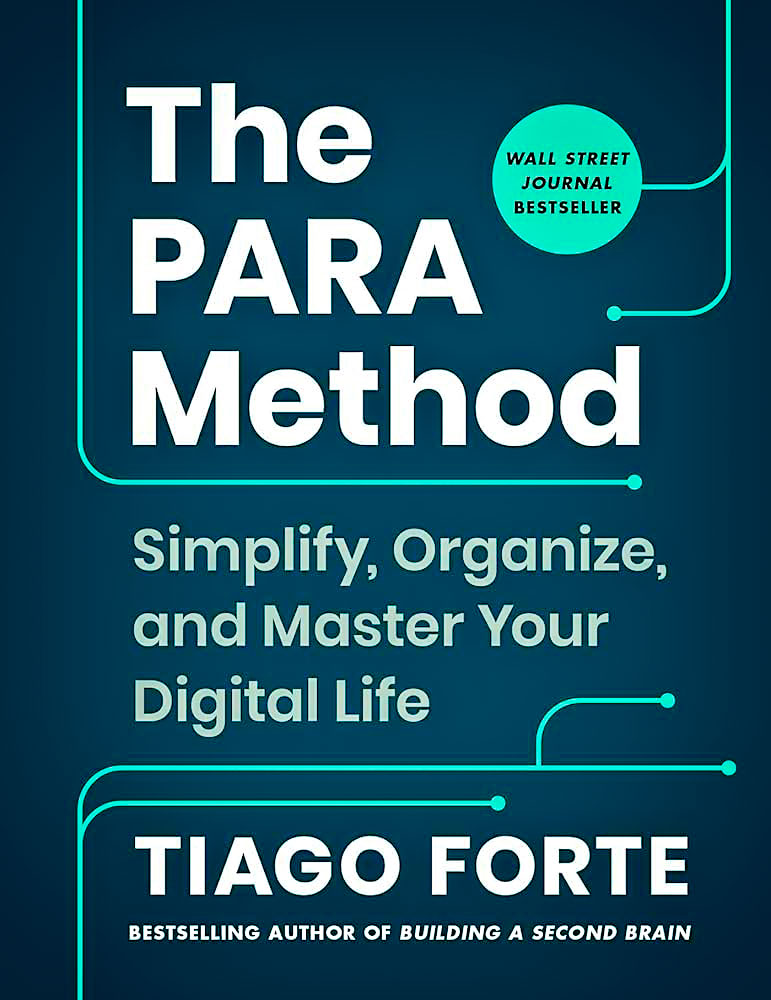
The PARA Method: Simplify, Organize, and Master Your Digital Life by Tiago Forte shows the reader how to sort the continual flood of information we all face into four categories: Projects, Areas, Resources and Archives. Forte “outlines his best practices and tips on how to successfully implement PARA” across all aspects of life, explains the book blurb.
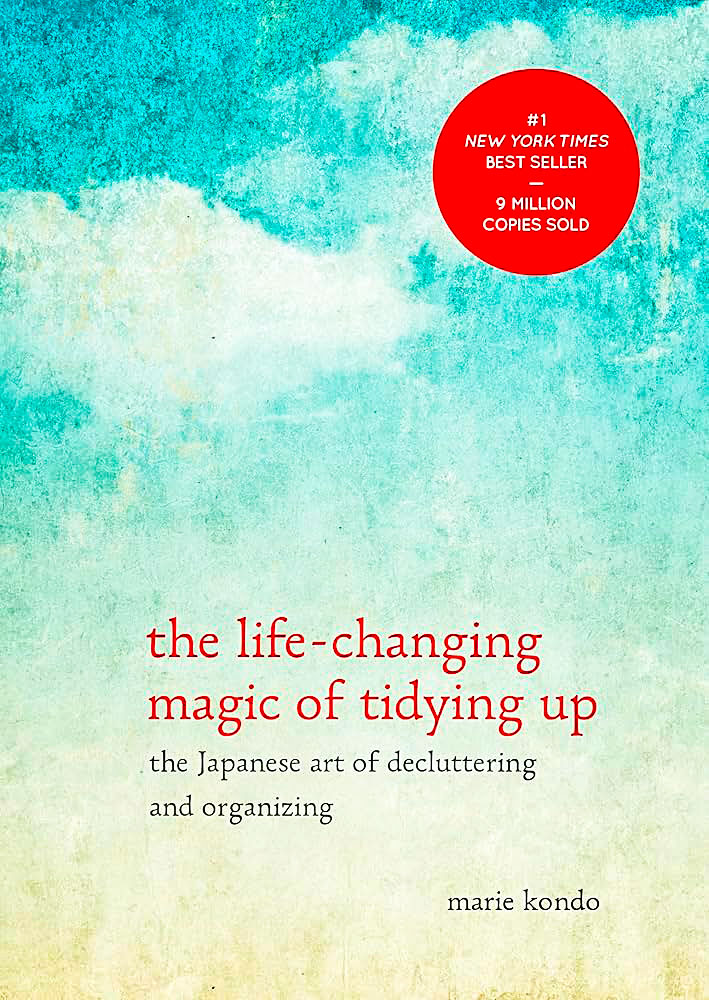
The Life-Changing Magic of Tidying Up: The Japanese Art of Decluttering and Organizing by Marie Kondō uses the KonMari Method that works category-by-category instead of room-by-room decluttering and organizing. Only keeping what “sparks joy,” this lifestyle phenomenon helps clear clutter and “enjoy the unique magic of a tidy home—and the calm, motivated mindset it can inspire,” states the book blurb.
 Brain Rules: 12 Principles for Surviving and Thriving at Work, Home and School by John Medina. The author is a molecular biologist with a lifelong interest in how the brain works and how our understanding of that knowledge can influence the ways we work and learn. Each chapter focuses on one “brain rule” and provides suggestions about how we can harness those rules in transformative ways.
 The Obstacle Is the Way: The Timeless Art of Turning Trials into Triumph by Ryan Holiday presents a simple method for understanding and tackling life’s setbacks and challenges. His advice includes concepts of stoicism, calmness, persevering and avoiding victim mentality.
 The 7 Habits of Highly Effective People: Powerful Lessons in Personal Change by Stephen R. Covey was first published over 35 years ago and is still relevant today. Organized in seven habits or principles, Covey outlines a problem-solving system that can be applied to any situation.
 Getting Things Done: The Art of Stress-Free Productivity by David Allen explains the connection between relaxation and effective productivity. “Allen shares the breakthrough methods for stress-free performance. When our minds are clear and our thoughts are organized, we can achieve more and unleash creative potential,” states the book description.
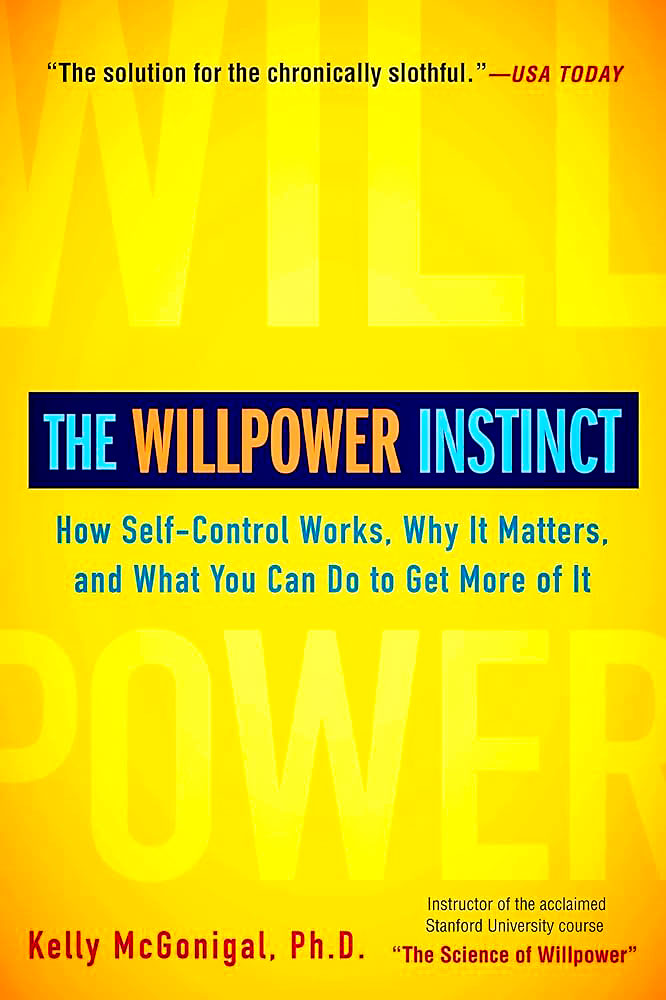 The Willpower Instinct: How Self-Control Works, Why It Matters, and What You Can Do to Get More of It by Kelly McGonigal. Using her expertise in health psychology, McGonigal “explains exactly what willpower is, how it works, and why it matters,” the book blurb states. More than simply a virtue, it is a biological function affected by how we take care of ourselves.
 Switch: How to Change Things When Change is Hard by Chip and Dan Heath teaches the reader how to unify two conflicting mental systems: the rational and emotional minds. With decades of multidisciplinary research, the Heath brothers present a repeatable pattern that when followed, can make transformational changes, small and large, a reality.
By Celeste McNeil; courtesy photos