Colorado living: State symbols & emblems, part 3
With 2026 marking 150 years of Colorado statehood, this month’s segment of Colorado’s official emblems and symbols highlights various plants that are official state symbols. The blue spruce is the state tree; blue grama is the state grass; the claret cup or kingcup is the state cactus; the columbine is the state flower and the emperor mushroom is the state mushroom.
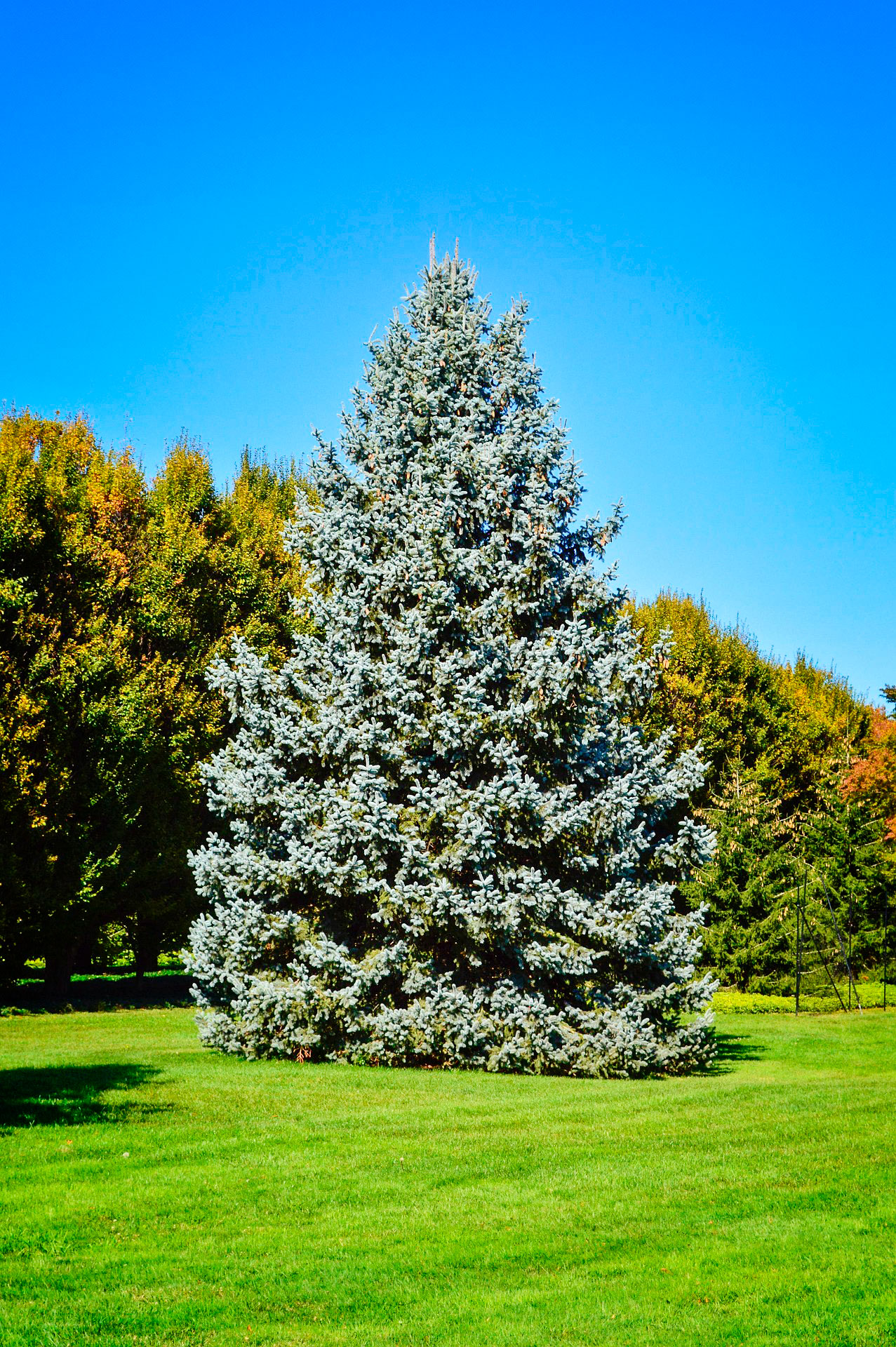 The Colorado blue spruce became the official state tree in 1939. Named for its silvery to blue-green needles, the blue spruce reaches 70 to 150 feet in height and is generally found growing at altitudes ranging from 6,700 to 11,500 feet. It is cold-hardy and slow growing. Some have been reported to live for more than 600 years. Because of its full, conical shape, it is a popular Christmas tree. The National Christmas Tree planted on the Ellipse in Washington D.C. is a living Colorado blue spruce.
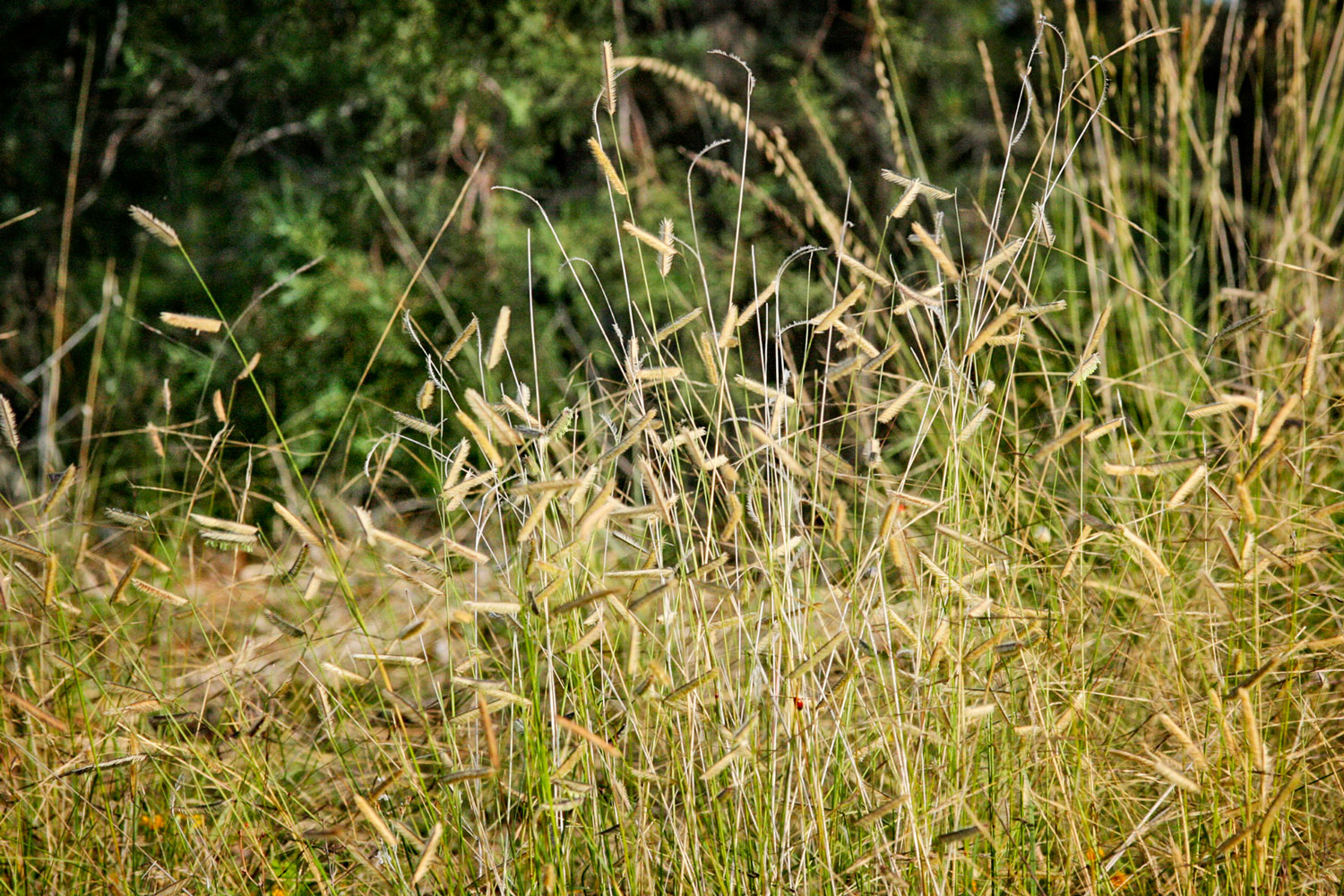 In 1987, a resolution of the General Assembly adopted blue grama grass as the official state grass. Blue grama is a major warm-season perennial that is one of the most important forage plants of the short-grass prairie. It has fine leaves, produces seed heads from the tip of each stem that look like tiny brushes and turns tan when dormant. Growing throughout the Great Plains, blue grama forms bunches in southern regions and sod in the north and at high elevations.
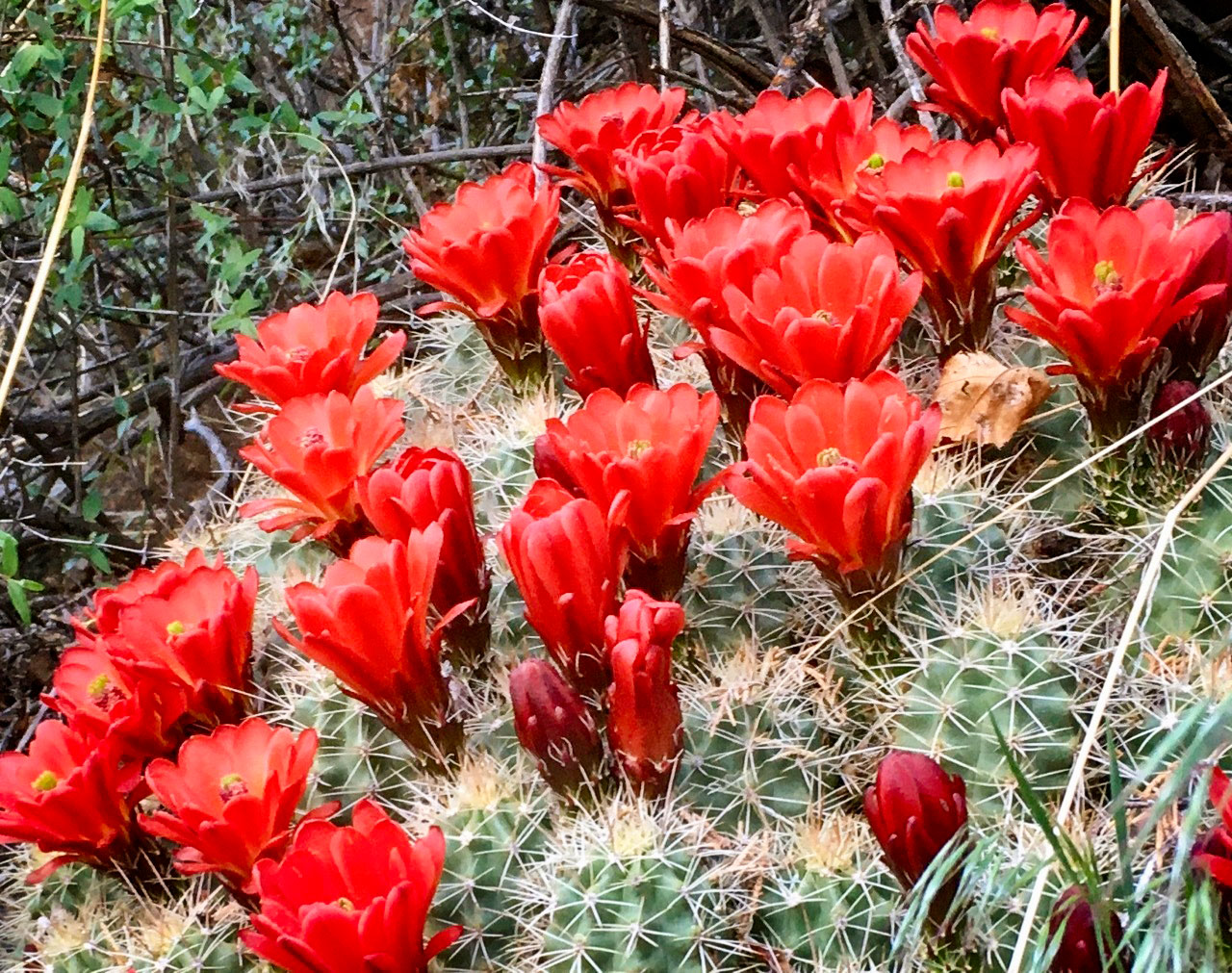 The claret cup cactus became the official state cactus in 2014, from the efforts of four Douglas County Girl Scouts from Castle Rock Troop 2518. Also known as kingcup, the cactus is native in many parts of Colorado, thriving on rocky desert slopes or in dry woodland in the mountains. The cactus is cylindrical and grows in low clumps that can be as much as three to four feet across. Bright red-orange flowers that last for several days often cover the whole plant.
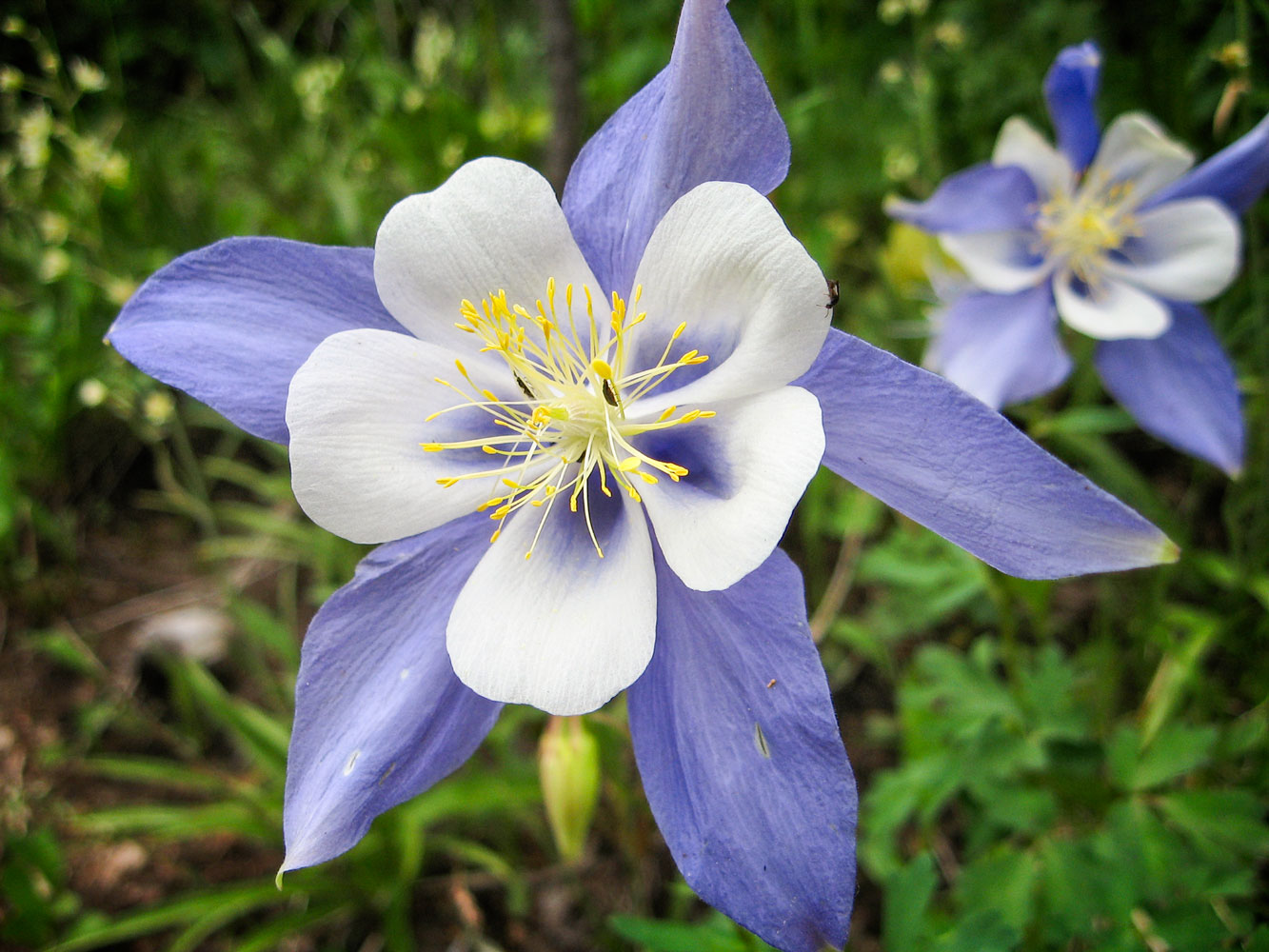 In 1899, an act of the General Assembly declared the white and lavender columbine the official state flower. Also known as the Colorado blue columbine or Rocky Mountain columbine, this perennial is found from foothill to alpine areas of the Rocky Mountains. It is common in aspen groves, open forests, meadows and talus slopes. In 1925, the General Assembly made it the duty of all citizens to protect the columbine. It is prohibited to dig or uproot the flower on public lands and unlawful to pick it on private land without the landowner’s consent.
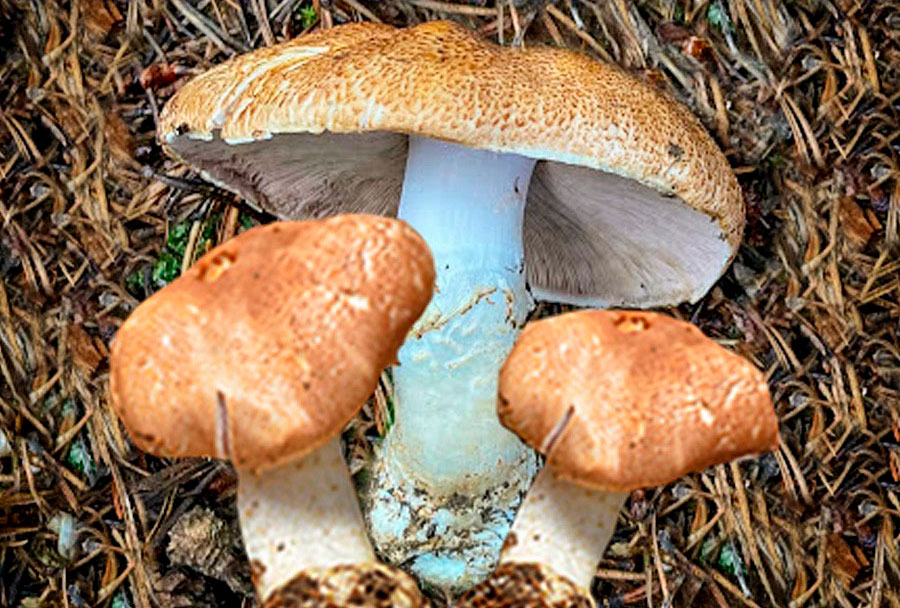 The emperor mushroom was declared the official state mushroom by Governor Jared Polis in 2025. Colorado is currently one of only eight states to have an official mushroom. Found in high-elevation spruce-fir forests in the Rocky Mountains, the emperor mushroom has a large, light brown cap with brown scales. It is edible and its scent is reminiscent of almonds.
For more information, visit archives.colorado.gov, coloradoencyclopedia.org, fs.usda.gov or plants.sc.egov.usda.gov and search for the plant in which you are interested.
By Susan Helton; courtesy photos