Identity crisis, growing pains and world leadership: 1851-1910 (Part 3 of 5)

The United States war of independence had overlooked the plight of slaves, basic freedoms for black Americans because a young nation was divided philosophically and economically. The South was agrarian, with cotton and tobacco as its lifeblood and using slave labor to grow and bring it to market. The North was different: an industrial economy. Thus, the1861 Civil War between two ways of life was inevitable; that close to 620,000 combatants would perish, unthinkable.
The Battle of Gettysburg in Pennsylvania with 50,000 causalities was key to the Union’s ultimate victory, sealed at Appomattox, Virginia in 1865. That it would take yet another century for racial equality to take hold was unseeable, even by the brightest of intellectuals.
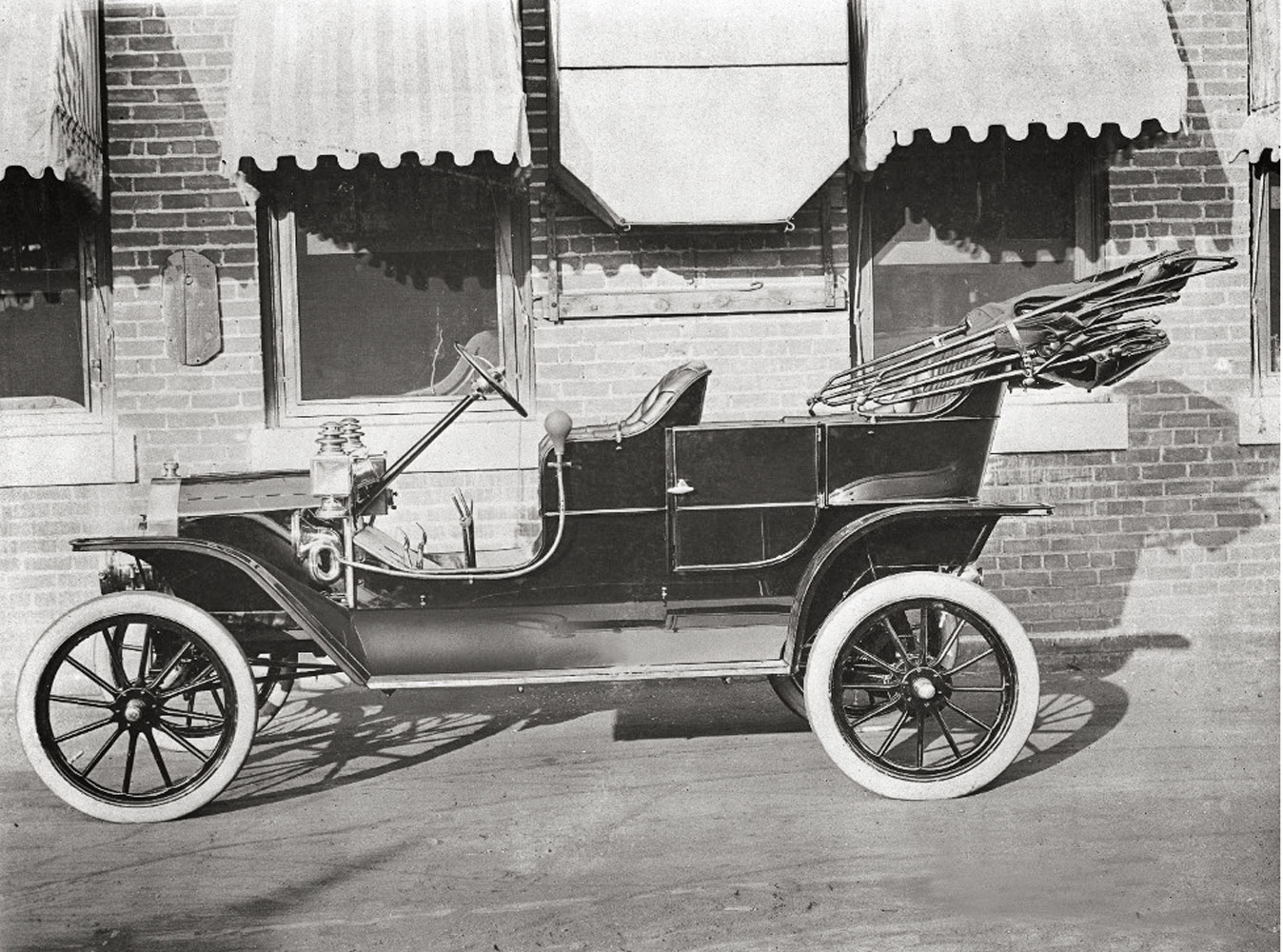
The 1908 Ford Model T was produced on a moving assembly line.
A national reconstruction followed the Civil War’s devastation as did new legislation: the 13th, 14th and 15th Amendments abolished slavery, established citizenship and voting rights, respectively. The Indian Removal Act of 1830 continued the American Indian Wars. Most Native Americans had effectively capitulated at the time of Geronimo’s surrender in 1886.
Mid-1800s American citizens shifted westward, driven by gold fever. President Abraham Lincoln’s Homestead Act, signed into law in 1862, threw the gates of expansion wide open. When free land was offered it was a mighty inducement to start a new life, and the nominal requirements to claim title to it, easily met. The federal government expanded its powers greatly to manage Reconstruction, the exploding resettlement growth and the taxes needed to fund new and necessary infrastructure.
Naturally, population growth sped up. By 1870, the United Stated Census showed almost 40 million citizens; 50 million by 1880 and 63 million in 1890. Oil was becoming quite important to industrial growth; John D. Rockefeller created his Standard Oil Company. In 1883, the Brooklyn Bridge was opened. In 1889, the Johnstown Flood inundated Pennsylvania’s Conemaugh Valley, taking more than 2,000 lives. When the Chicago World’s Fair opened in 1893, it showcased America’s architecture, dreams, newest inventions and unique culture. It was our coming-out party, a prelude to what would follow.
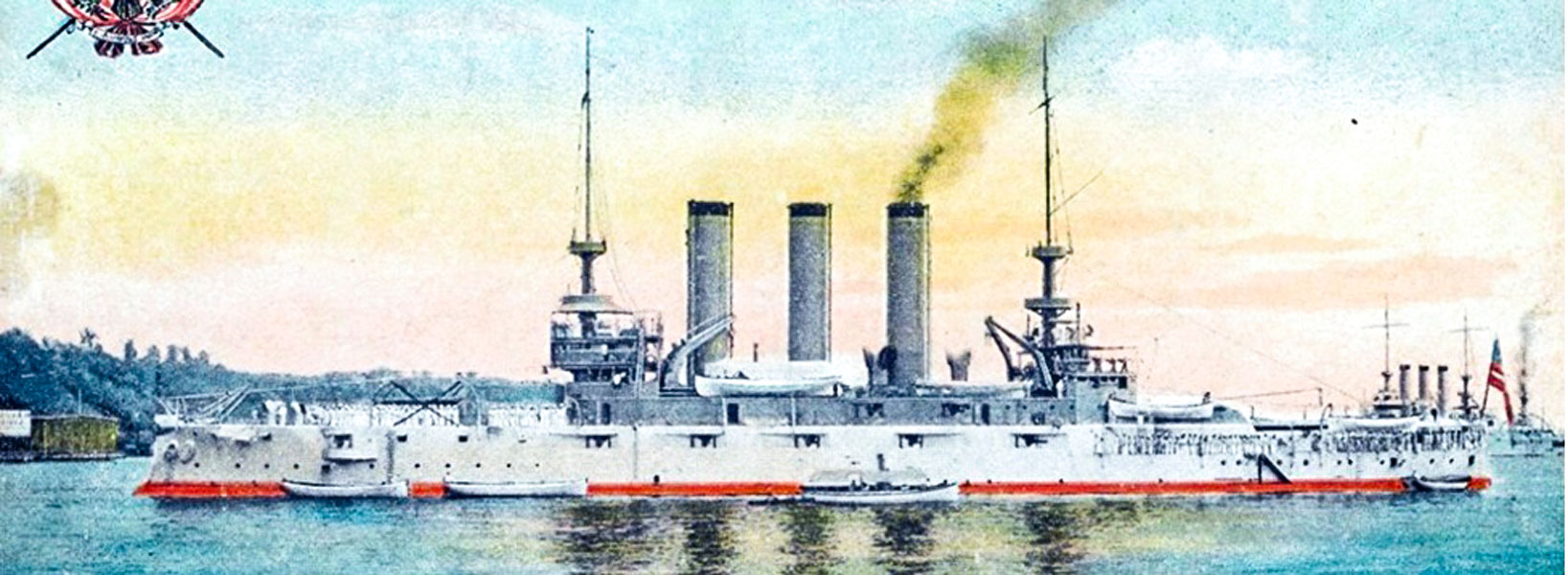
A painting shows the Battleship USS Maine in port.
In 1898, the battleship USS Maine exploded in Havana Harbor; 200 sailors went down with the ship and the incident sparked the Spanish American War. The United States prevailed in that short-lived affair, gaining the territories of Puerto Rico, Guam and the Philippines. Hawaii’s monarchy was overthrown and the land was annexed by the federal government in 1898.
By 1900, the United States population was on steroids, helped by 14.5 million immigrants reaching our shores in the subsequent 20 years. Progressive politics was also birthed in those same years, making for a vast expansion of government. Simultaneously, a growing labor movement came about in the private sector to counter industrial titans abuse and poor working conditions.
The Wright brothers showed us how to fly. Henry Ford introduced the assembly line to manufacturing, bringing the Model T and affordable mobility to America. The Panama Canal Zone came under our control, ready to serve our interests in the future. What would retroactively be called the “American Century” was off and running.
Approaching World War I, we were an upstart world power. In less than 150 years and entry on the world stage, the United States was poised for the greatest leap in economic power and culture the world had ever seen. United, robust and innovative, things looked mighty good.
By Joe Gschwendtner; courtesy photos