Creatine for women’s health
“Muscle is the currency of longevity, so I highly recommend patients who are trying to keep and build muscle mass to add creatine to their routine.”
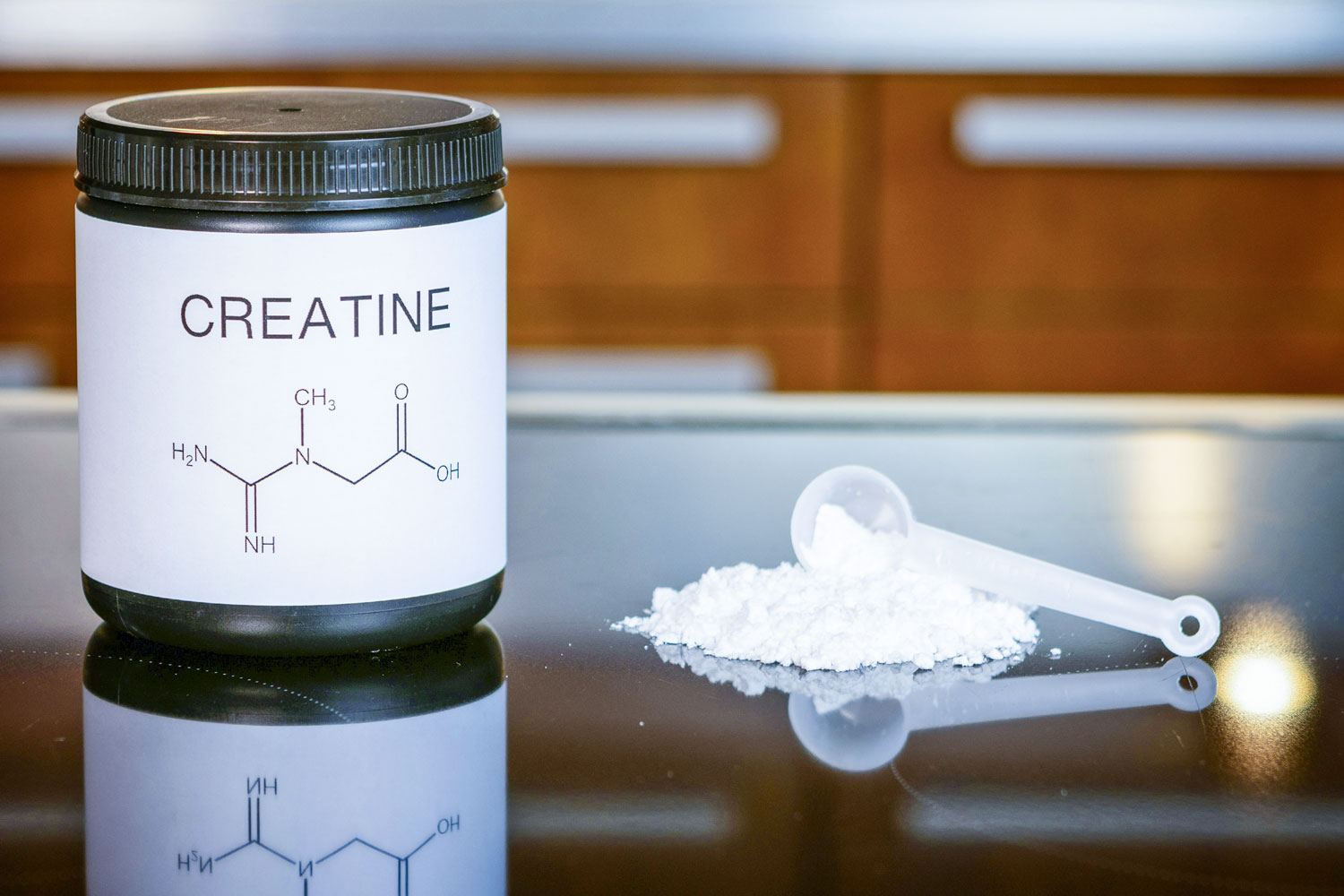
Creatine, long used by athletes and bodybuilders, is gaining momentum as a daily tool, especially for women, to enhance strength and muscle, energy, recovery and cognition.
Creatine is having a moment in women’s wellness. While it has long been known to be in the protein shakes of athletes and bodybuilders, creatine presents a promising strategy to enhance various aspects of women’s health across the lifespan, according to studies from the National Institutes of Health and the International Society of Sports Nutrition.
Made from amino acids, creatine is a naturally-occurring compound in human muscles and the brain. A simple explanation from the Cleveland Clinic stated, “Creatine is a natural source of energy that helps your skeletal muscles, the muscles that connect to your bones, contract. It helps create a steady supply of energy in your muscles so they can keep working, especially while you are exercising.”
Dr. Abbie Smith-Ryan, a leading women’s health researcher, stated in The Newsette, “Enhancing strength and muscle is beneficial well beyond the gym; over the past 15 years, research continues to demonstrate broader direct and indirect benefits of creatine, including improvements in energy, recovery, cognition and maintaining bone.”
Dr. Smith-Ryan noted that the focus on women’s health is shifting, targeting strength, resilience and longevity, which creatine helps with. On average, women have smaller creatine pools than men due to less total muscle mass and lower intake, so adding 3-5 grams per day often makes a noticeable difference within a few weeks, according to her research. When preserving or building muscle, steady energy and clear focus are essential.
There is also early data that shows that stores of creatine are related to better female health and reproductive outcomes. This is especially relevant during high-demand life phases: postpartum, perimenopause, heavy training blocks or simply juggling a full life. Dr. Smith-Ryan stated, “Creatine is a highly studied tool to support these outcomes.”
Creatine can be bought over the counter and comes in many forms: powder, capsules, liquid and gummies. Look for high‑quality creatine monohydrate, the most researched and effective form of creatine, and ensure the company runs multi-lab, third-party testing.
Devon Nelson, Family Nurse Practitioner at Big Life Integrative Health + Regenerative Aesthetics in Lone Tree, said her patients have seen great improvements in muscle mass and mental clarity with creatine. “I often recommend five grams for women and five to 10 grams for men,” stated Devon, who added that creatine can make kidney function look low, so it is important for patients to inform providers that they are taking it prior to routine lab work.
“Muscle is the currency of longevity, so I highly recommend patients who are trying to keep and build muscle mass to add creatine to their routine,” Devon concluded.
Talk to your healthcare provider before starting any new supplementation.
By Lisa Nicklanovich; photo courtesy of Alex Sacks