Conserving water during drought

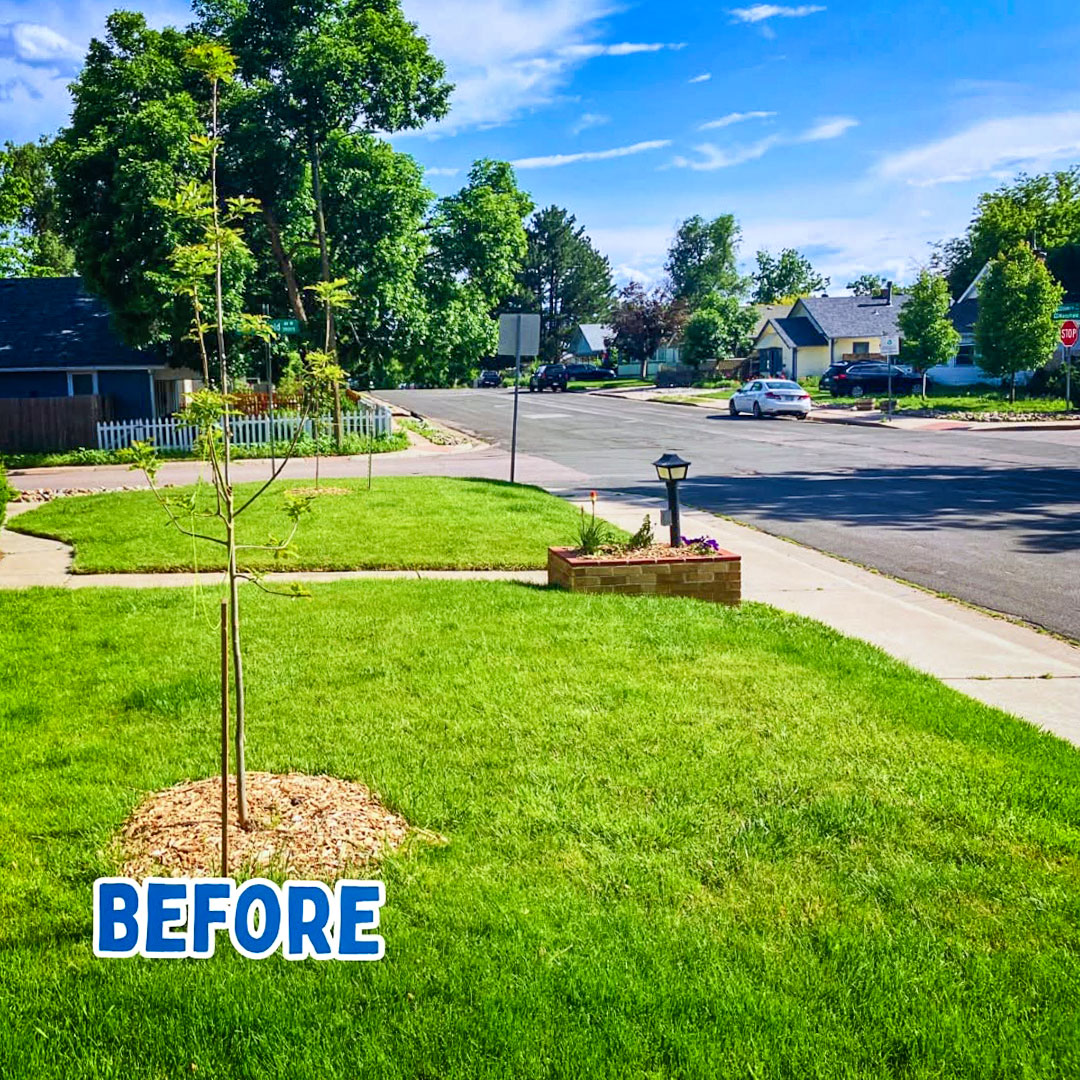
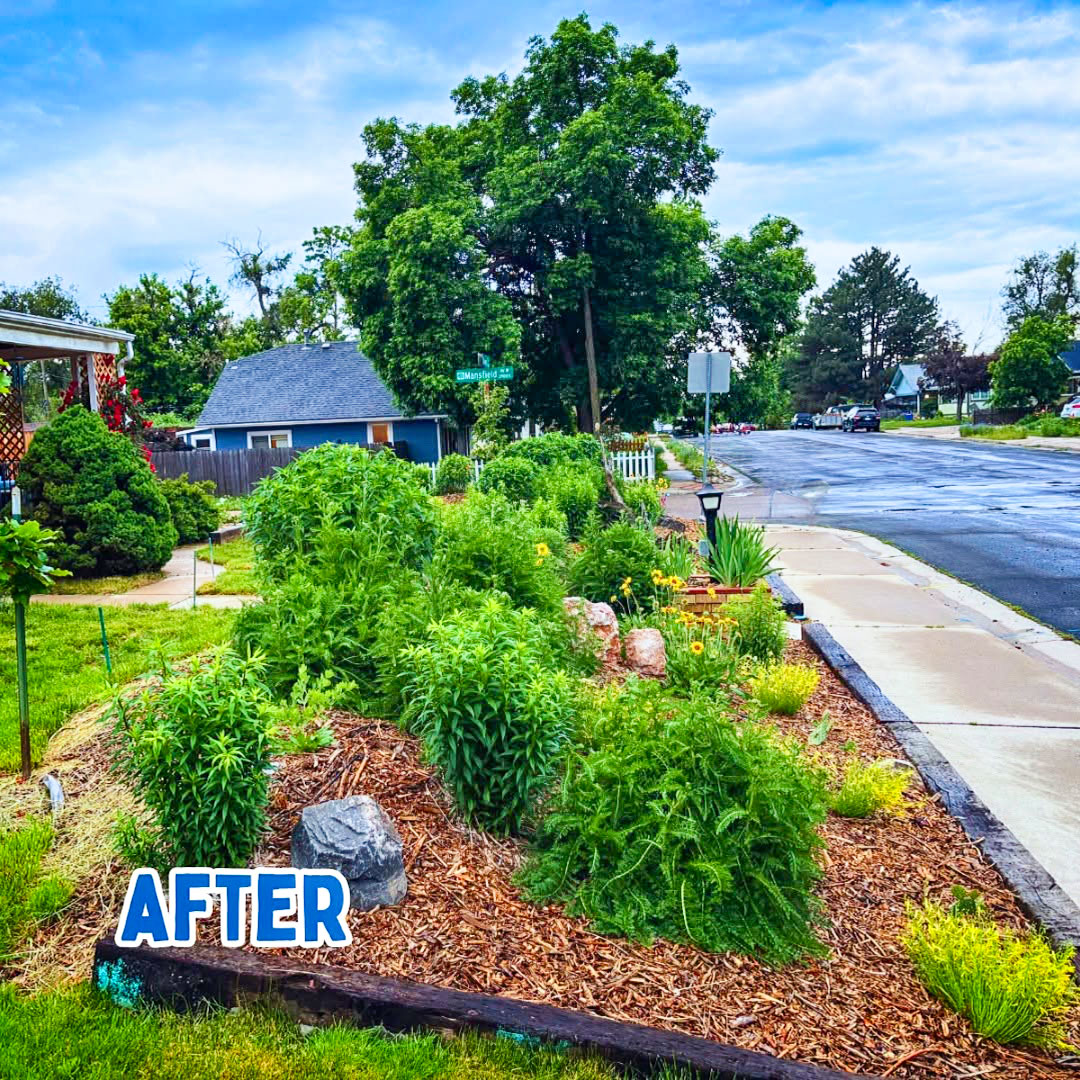
Replacing thirsty turf with xeric shrubs, ground covers or water-wise grasses lowers bills and protects our water supplies.
With extreme drought affecting Douglas County this summer, Castle Pines residents have an important role in protecting the community’s water supply. Small, consistent changes can conserve supplies during dry weather without requiring residents to give up attractive, healthy landscapes. Here are some often-asked questions and practical ways households can reduce outdoor water use and waste.
Where can residents make the biggest difference in water conservation?
Start outdoors. Nearly 80% of the Castle Pines North Metro District’s treated water is used for irrigation, so efficient lawn watering has a major impact. Follow the current District watering schedule, repair leaks promptly and prevent runoff or overspray onto streets and sidewalks. When it comes to outdoor plants, try to go for native and drought-resistant varieties. Replace thirsty turf with xeric shrubs, ground covers or water-wise grasses such as blue grama and buffalo grass. That combination lowers bills and protects our water supply.
How can homeowners water an existing lawn more efficiently?
Use the “cycle and soak” method. Water for five to 10 minutes, pause for 30 to 60 minutes so moisture can soak into the soil, and repeat the cycle two or three times. This approach encourages deeper absorption and reduces runoff. It can save thousands of gallons annually while helping residents maintain healthy turf with less waste.
What is Resource Central’s Slow the Flow program, and how can residents participate?
Slow the Flow provides a limited number of free, 90-minute sprinkler inspections. A technician visually checks for water-wasting problems, makes minor sprinkler-head adjustments, tests how evenly the system waters and creates a customized watering schedule. That schedule could save a household 5,000 gallons per year. To sign up, visit slowtheflow.resourcecentral.org.
Does the District offer rebates for conservation upgrades?
Yes. Current incentives include up to $5 per replacement rotator nozzle, up to $50 toward a rain sensor and a $100 rebate for a WaterSense-labeled smart irrigation controller. Residential sod-replacement rebates can provide up to $3 per square foot. Discounts and rebates are also available for xeric plants, efficient toilets and water-saving shower heads.
What should residents know when installing new sod or plants?
We recommend never planting sod in areas that will not be used. Look for water-wise alternatives like Tahoma 31 or Dog Tuff grass. We recognize establishing new plant material can take a little extra water, but please avoid watering after 8 a.m. or before 8 p.m. Try to avoid new planting in July and August. Water carefully to avoid pooling and runoff.
Every drop matters. For more water conservation tips and watering schedules, visit cpnmd.specialdistrict.org/save-water.
Article and photos provided by the Castle Pines North Metro District