Armistice in ink

Veterans Day, originally celebrated for the Armistice Day that ended World War I, is November 11th (see article on page 23, The history of Veterans Day). Armistice, a noun, is from the New Latin word armistitium: combined from the verb sistere (bring to a standstill) and arma (implements of war), literally means cessation of weapons. WWI was not “the war that will end war” as author and futurist H.G. Wells predicted; it was only the first of the major global conflicts in the 20th century. Honor veterans this month by picking a book or two and learning more about the First World War.
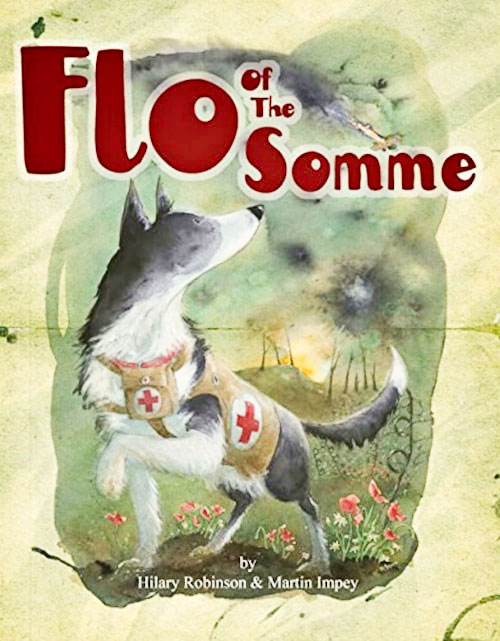 Flo of the Somme by Hilary Robinson is a children’s picture book about Flo, a battlefield mercy dog. Mercy dogs were specially trained to assist medical teams to locate injured soldiers, deliver medical supplies and comfort dying men. Flo, along with her stretcher-bearer Ray and his donkey, witness the key landmarks and aspects of the Battle of the Somme.
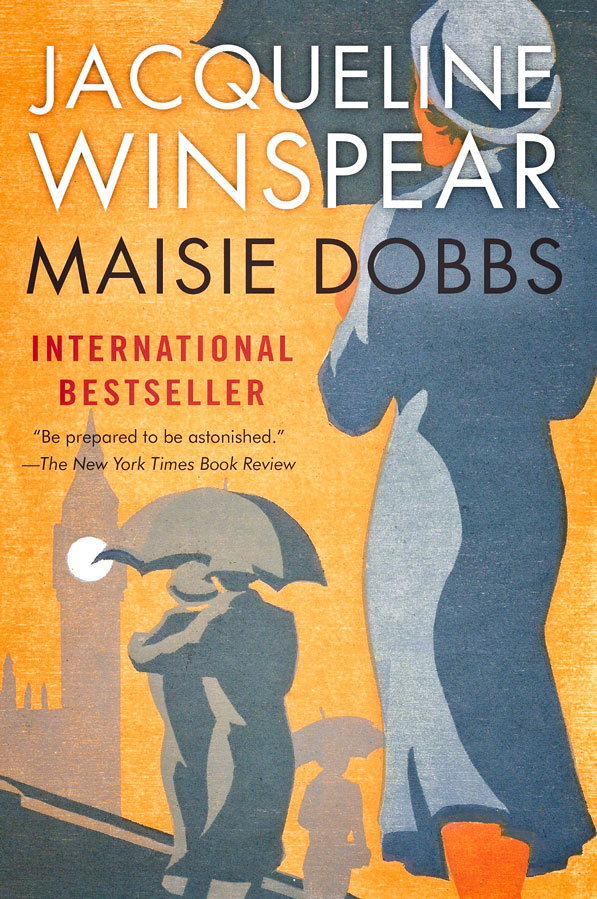 Maisie Dobbs by Jacqueline Winspear is book one of the Maisie Dobbs series of 18 books. Maisie, a former WWI nurse, establishes her own psychologist and investigator business. In 1929, her first solo case takes her on the trail of a killer and back into the war memories she tried to put behind her.
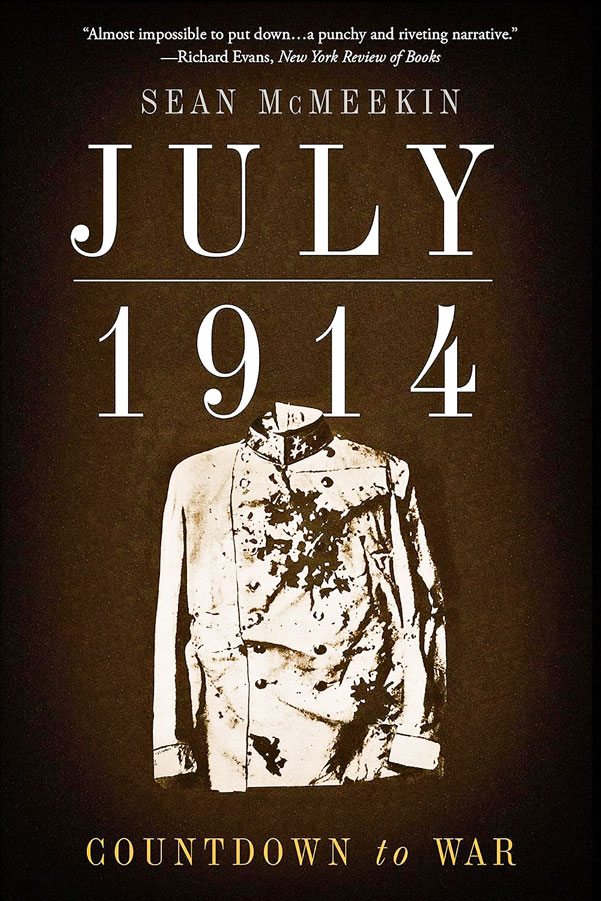 July 1914: Countdown to War by Sean McMeekin dives into the assassination of Archduke Franz Ferdinand and the aftermath. McMeekin’s research into European archives paints a story mostly untold, of world leaders capitalizing on the Austro-Hungarian militarism for their own reasons.
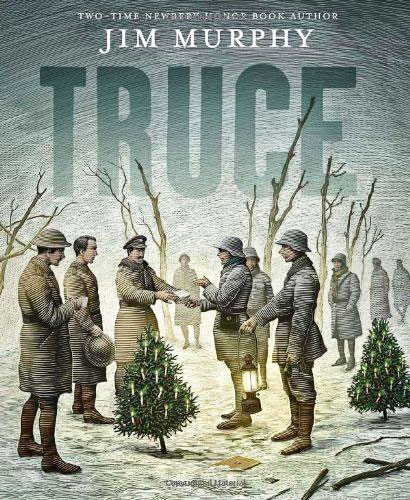 Truce: The Day the Soldiers Stopped Fighting by Jim Murphy is a middle-grade book that describes the Christmas Truce on the Western Front in December 1914. German, British and French soldiers had an unofficial ceasefire and truce when both sides of the trenches shared a little Christmas peace and good will.
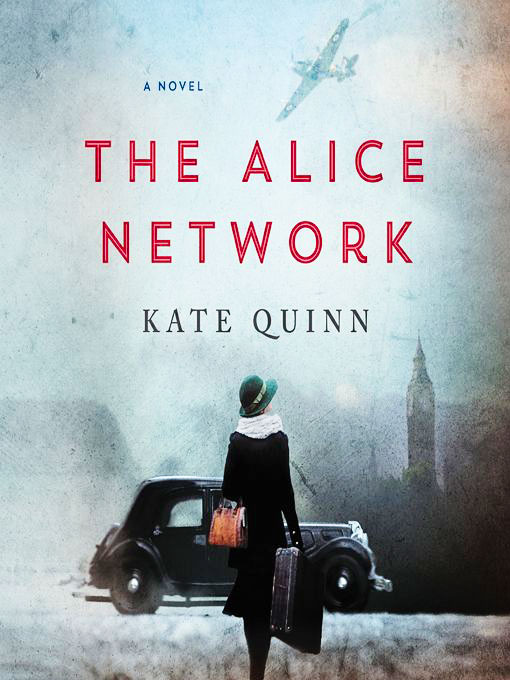 The Alice Network by Kate Quinn is the story of two cousins: an American socialite and a war spy. Charlie St. Clair is unmarried, pregnant and desperate to find her long-lost cousin, Rose. Sent to London in 1947 by her proper parents who fear a social scandal, Charlie looks for Rose who disappeared during Nazi-occupied France during the war.
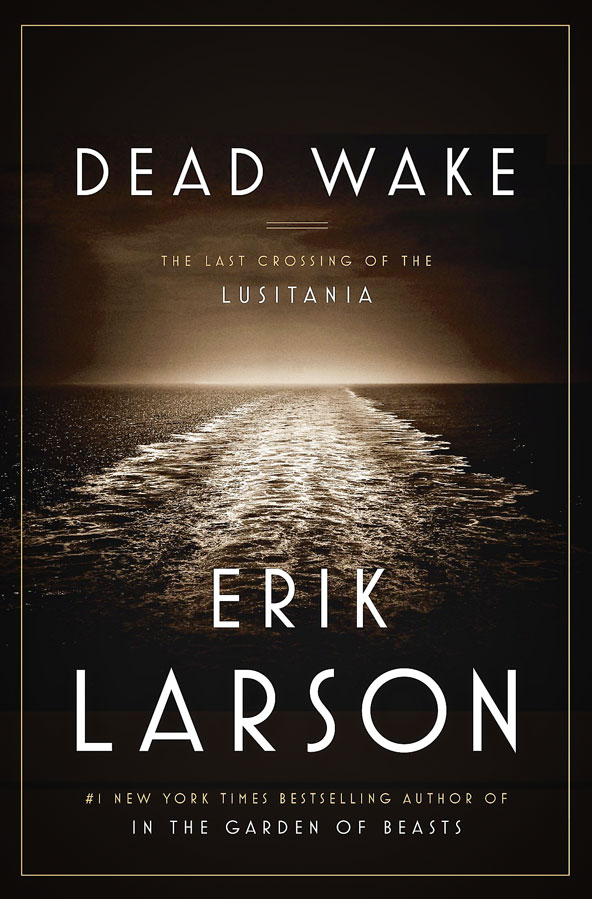 Dead Wake: The Last Crossing of the Lusitania by Erik Larson. Filled with a record number of women and children, the richly appointed transatlantic ocean liner Lusitania was powerful and fast in May 1915 when she left New York bound for Liverpool. But German U-boats made the waters around Britain treacherous. The rules of engagement were about to change and the outcome tugs America closer to the brink of war.
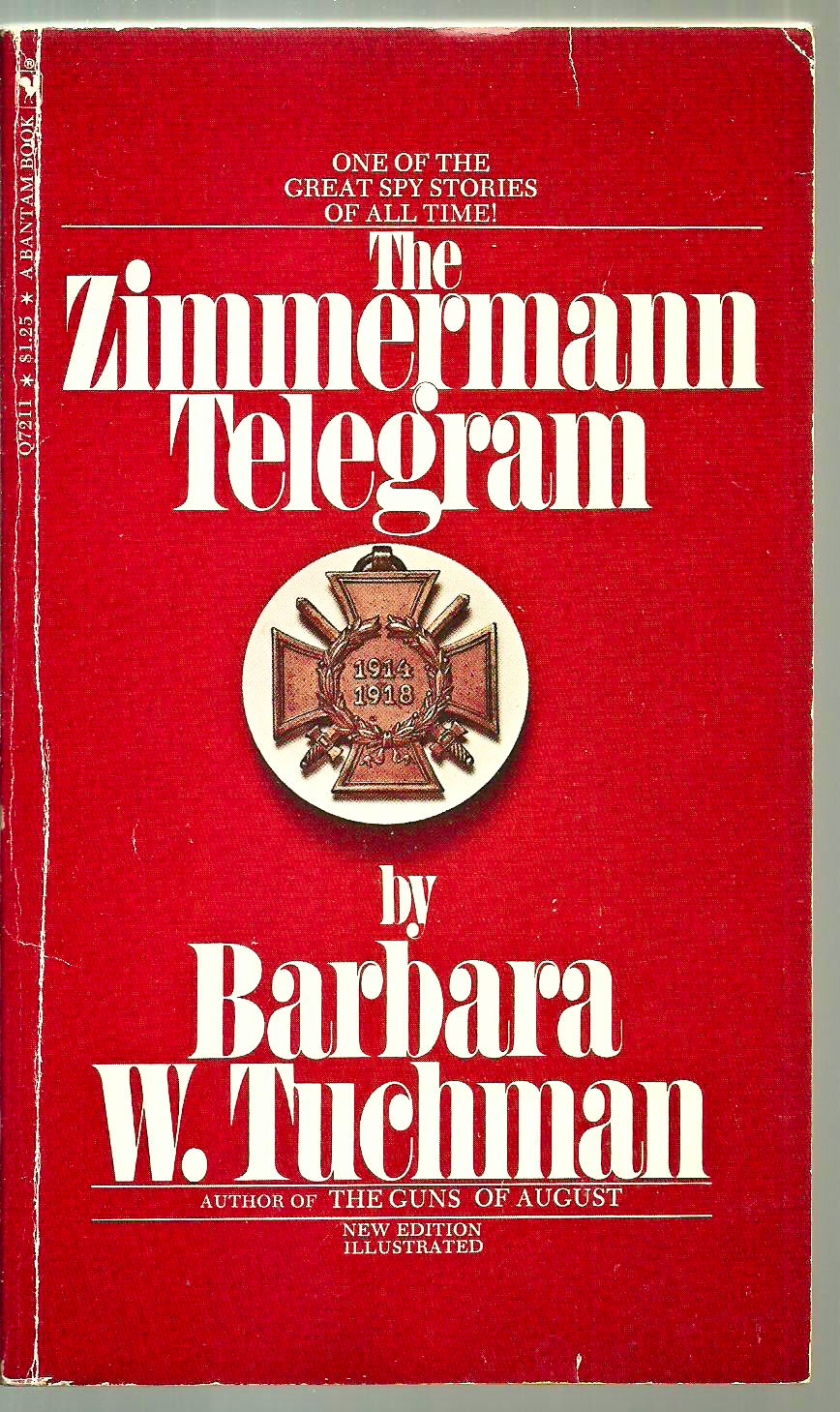 The Zimmermann Telegraph by Barbara W. Tuchman. British code breakers secretly intercepted and decoded the Zimmermann Telegraph in 1917. The telegram was an invitation for Mexico to join Germany and Japan in attacking the United States.
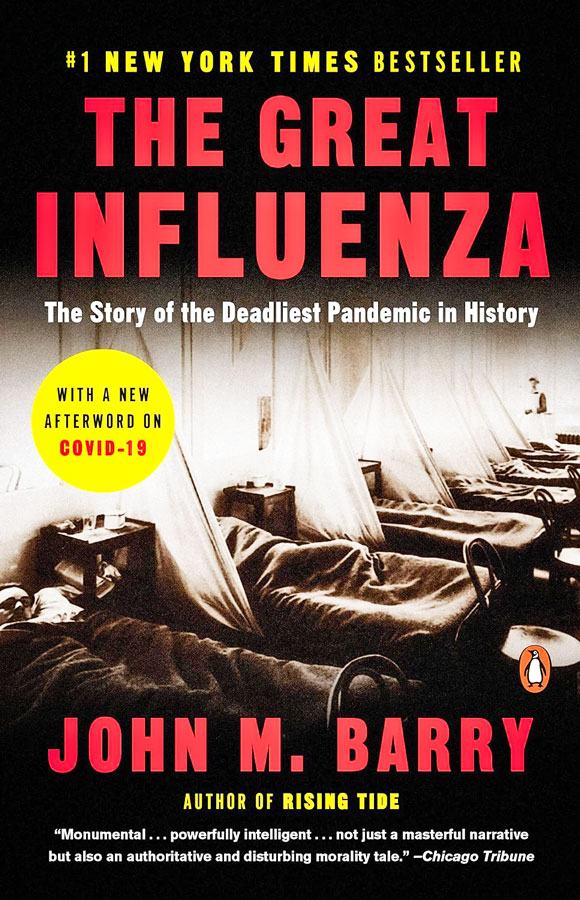 The Great Influenza: The Story of the Deadliest Pandemic in History by John M. Barry takes the reader from an army camp in Kansas east with American troops during the height of WWI as the most deadly influenza virus traveled the world with soldiers. Eventually killing as many as 100 million people worldwide, the Spanish flu pandemic had its beginnings in WWI.
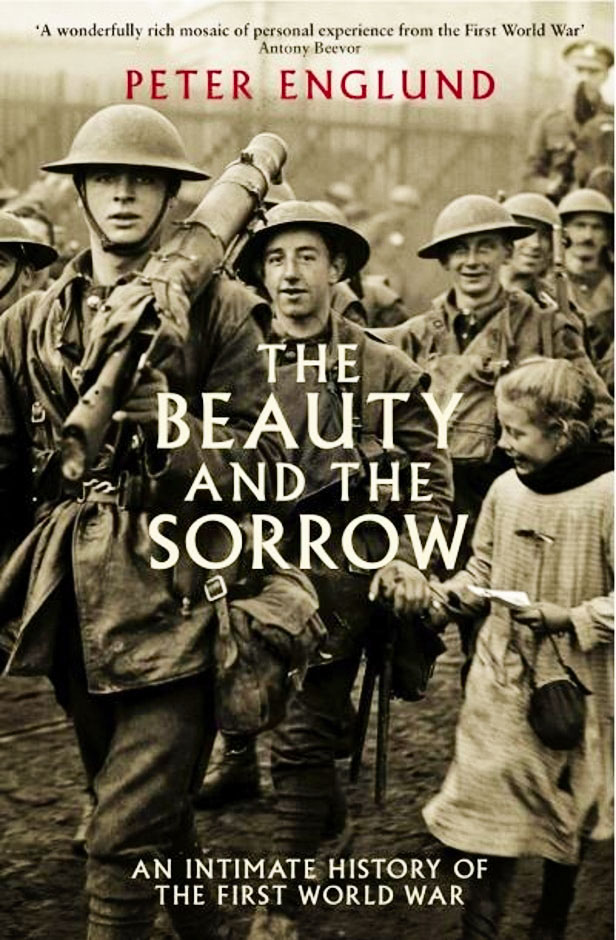 The Beauty and the Sorrow: An Intimate History of the First World War by Peter Englund looks at the war from the perspective of 20 ordinary people from around the world. “Two of these 20 will perish, two will becomes prisoners of war, two will become celebrated heroes and two others end up as physical wrecks. One goes mad, another will never hear a shot fired,” states the book description.
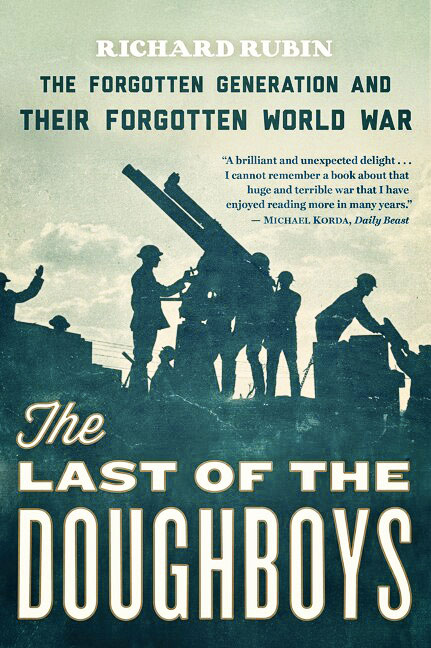 The Last of the Doughboys: The Forgotten Generation and Their Forgotten World War by Richard Rubin is the story of the last survivors of WWI. Beginning 85 years after the Armistice, Rubin spent a decade finding and interviewing Great War veterans. All the veterans were centenarians who rarely shared their wartime stories until the very end of their lives.
By Celeste McNeil; courtesy photos