All about cranberries
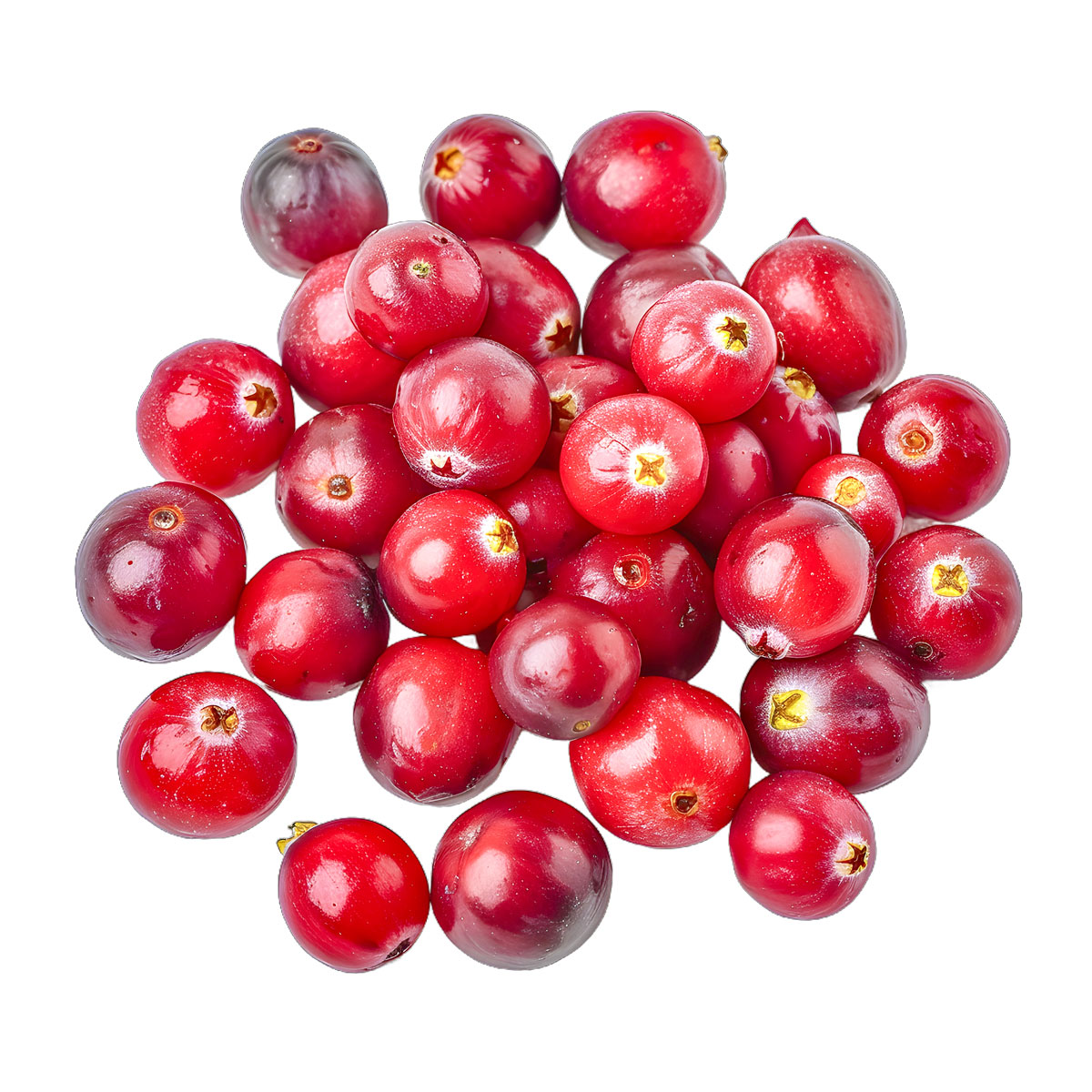
Cranberries can be controversial. When they appear in November, often as a sauce with turkey on Thanksgiving, they spark debate. Team “canned cranberry sauce” swears by the nostalgia, while Team “homemade” absolutely must make their own. Some do not want to make room on their plate for cranberries at all, yet Americans consume more than five million gallons of cranberry sauce every holiday season, according to Smithsonian Magazine. Whatever your position on cranberries, the berry itself deserves attention for its potent phytochemicals (natural, plant-based compounds) with anti-inflammatory effects.
These sweet-tart berries, one of the few fruits native to North America, are grown in the wild on vines in sandy bogs and marshes. Cranberries are roughly 87% water and 12% carbohydrates, and people have eaten them and used them in natural remedies for thousands of years. The powerful plant compounds in cranberries are rich in antioxidants, which help keep our cells healthy by taming inflammation, according to Prevention magazine.
Cranberries contain a wide range of vitamins and minerals. Vitamins C, E and K provide antioxidants, while manganese is a mineral key for bone health. Polyphenols, plant compounds found in the berries, help support circulation and improve blood pressure. Science-backed health benefits include helping prevent (not treat) urinary tract infections and supporting gut and oral health.
Look for recipes that use fresh cranberries, which offer better nutrition, cleaner ingredients and brighter flavor than the canned variety, which is laden with sugar. Offer both at Thanksgiving and see if there is a winner.
Fresh cranberries can be used in countless ways and freeze well. Whip up a relish that can go on tacos, or mix in spices and pour over chicken, pork or beef. Unsweetened dried cranberries can star in an appetizer such as a colorful and flavorful cheese ball, or be added to a tuna, chicken or leafy green salad. Cranberry almond energy bites will help maintain energy through the holidays. Whip up a nutrient-rich smoothie with cranberry juice (without added sugar), unsweetened Greek yogurt, banana and frozen berries. A cranberry-ginger cocktail or mocktail is refreshing and festive, and slow-cooker cranberry apple cider will serve a crowd and make the house smell like the holidays.
Prevention also suggests non-edible uses: a mouth rinse made with 100% pure unsweetened juice and 1 Tbsp baking soda, or a moisturizing body butter made with cocoa butter, coconut oil and cranberry juice.
People who take certain medications or are prone to kidney stones may want to limit their intake of cranberries and consult a physician before adding the berry to their diet.
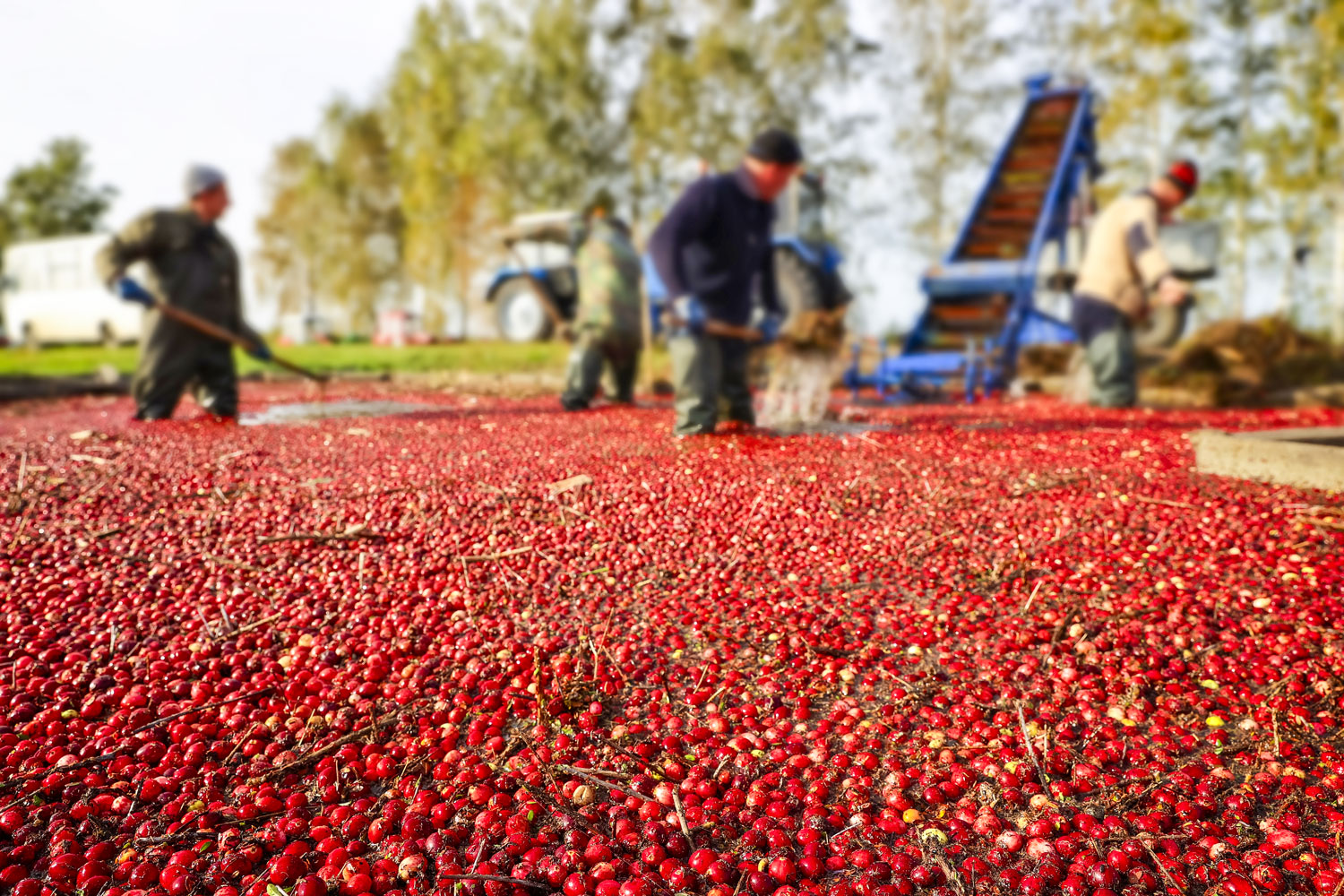
Cranberries, one of the few fruits native to North America, are grown in the wild on vines in sandy bogs and marshes.
By Lisa Nicklanovich; courtesy photos