The history of Veterans Day
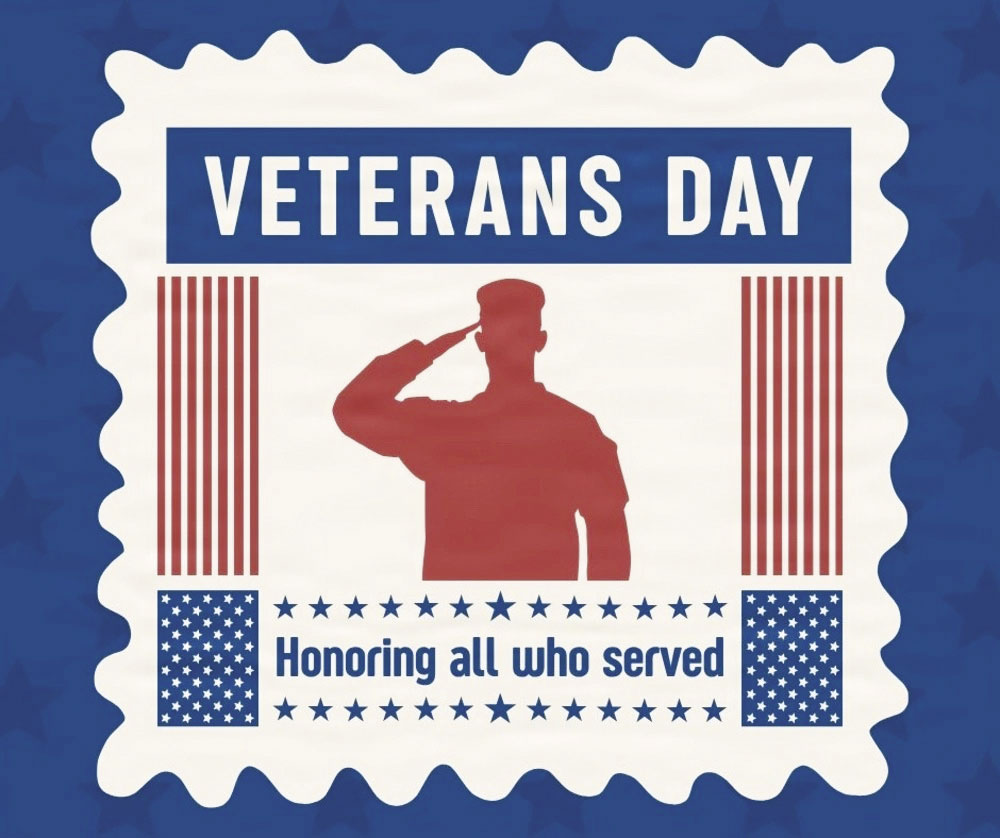
Every year, November 11 marks Veterans Day, a day dedicated to American veterans of all wars, living or dead; a day especially for thanking living veterans who served the country honorably during war or peacetime. This holiday has not always been known as “Veterans Day,” however. It originated as Armistice Day more than 100 years ago.
In 1918, an armistice, or temporary cessation of hostilities, was declared between the Allied nations and Germany in World War I (WWI) on the 11th hour of the 11th day of the 11th month. Although the Treaty of Versailles, signed June 28, 1919, was the official end of the war, the armistice date of November 11, 1918, is the date remembered as marking the end of the conflict.
In 1919, President Woodrow Wilson proclaimed November 11 as the first commemoration of Armistice Day. The events for that day included parades, public gatherings and a brief pause in business and school activities at 11 a.m.
Congress passed a resolution in 1926 that the recurring anniversary of November 11 should be commemorated and that the president should issue an annual proclamation calling for the observance of Armistice Day. In 1938, November 11 became a legal federal holiday that emphasized peace and honored those who served in WWI.
In 1954, in the aftermath of World War II and the Korean War and at the urging of veterans service organizations, Congress amended the 1938 act that had made Armistice Day a holiday, striking out the word “Armistice” and replacing it with “Veterans.” President Dwight D. Eisenhower signed the legislation, officially changing the name and making November 11 a day to honor American veterans of all wars.
The next legislation to affect Veterans Day came in 1968 when Congress passed an act that moved several federal holidays to Mondays, including Veterans Day, intended to ensure three-day holiday weekends for federal employees. Effective in 1971, the fourth Monday in October became the day for observing Veterans Day. However, many states, veterans, and members of the general public disagreed with this decision.
In 1975, President Gerald R. Ford signed a new law returning the annual observance of Veterans Day to November 11, effective in 1978. This preserved the important historical significance of the date, and there the observance remains to this day.
For more information about Veterans Day, visit history.com and search “Veterans Day.”
By Susan Helton; graphic courtesy of Senior Airman Shelby Jessee