The skinny on GLP-1s
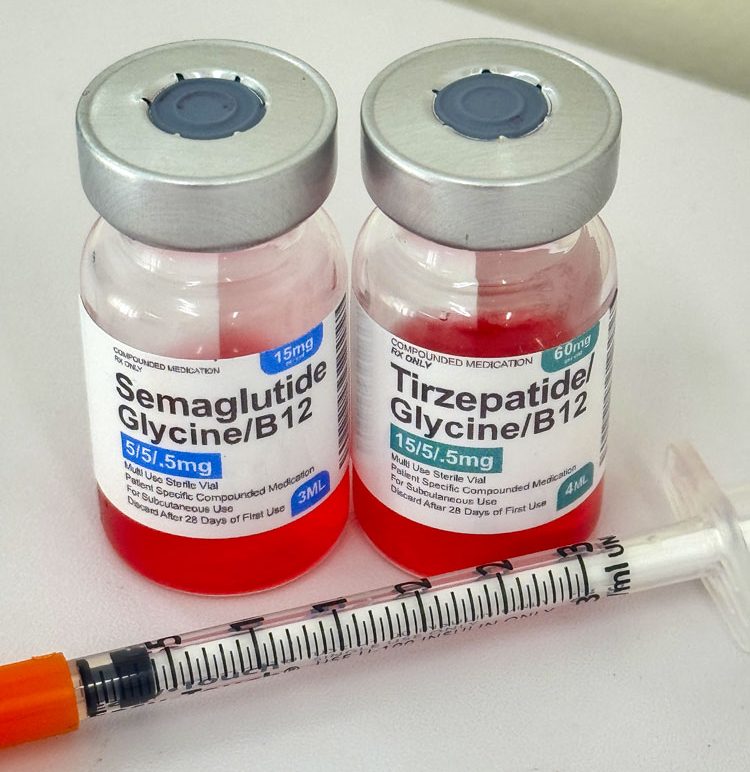
Semaglutide and tirzepatide are two injectable GLP-1s that have been approved by the FDA specifically for weight loss.
GLP-1s (short for “glucagon-like peptide-1 receptor agonists”) mimic a natural hormone in the body that helps to regulate blood sugar levels and appetite. GLP-1s have been used for diabetes treatment since 2005 and for weight management since 2014, according to the American Diabetes Association. Most GLP-1 drugs are self-administered by injection, although one brand is now available in pill form.
In recent years, as more GLP-1s, such as semaglutide and tirzepatide, have been approved by the FDA specifically for weight loss, their use has surged dramatically. By reducing appetite and increasing feelings of fullness, they can help us eat less and gradually lose weight. This makes them especially valuable for those who have struggled with weight management and have not seen results with diet and exercise alone.
Jaime McNitt, PA-C, MMSc, Certified Physician’s Assistant, Master of Medical Science, Certified Hormone Specialist and owner of Remedy Bar in Castle Pines, explained, “GLP-1s tune out what we call food noise, where your body is thinking about food often. They turn that noise down so you can eat more intentionally, for nutrition and not for fulfilling some emotional need.”
Jaime describes taking GLP-1s as a journey with your doctor as a partner on that journey. She emphasized the importance of feeling supported along the way with check-ins and lifestyle adjustments. If weight loss is the goal, GLP-1s should be viewed as part of a bigger plan. They can be powerful tools for weight loss but they work best when combined with healthy food habits and exercise.
A common concern with GLP-1s is that once on this medication, you have to stay on it forever which Jaime explained is not true in most cases. “In the past, weight loss drugs have failed because the body has a very strong pull to regain the weight—it’s called metabolic adaptation. With these compounds, we can override that tendency and create a new baseline; so, most people can come off the GLP-1s and keep their weight off as long as they maintain their healthy habits.”
According to the Academy of Medicine, researchers are studying how GLP-1 medications may help with more than just diabetes and weight loss. “Studies are showing that if you have high blood pressure, high cholesterol or liver disease, you may be an even better candidate for these peptides because they can help support those body systems,” Jaime said.
She further added that some substance abuse providers are using GLP-1s to help reduce cravings for substances and that she has seen this with her patients. Jaime has also seen some of her patients experience better energy, mood and sleep on GLP-1s. “It’s more about overall health than vanity,” Jaime concluded.
While the benefits of GLP-1s can be significant, side effects are possible, especially with long-term use. The most common is gastrointestinal discomfort. Researchers continue to monitor effects on muscle mass, bone health and mental well-being as more people use GLP-1s for longer periods.
As with any new medication, consult your physician or integrative health provider prior to beginning.
By Lisa Nicklanovich; photo courtesy of Jaime McNitt