Weighted vests for health
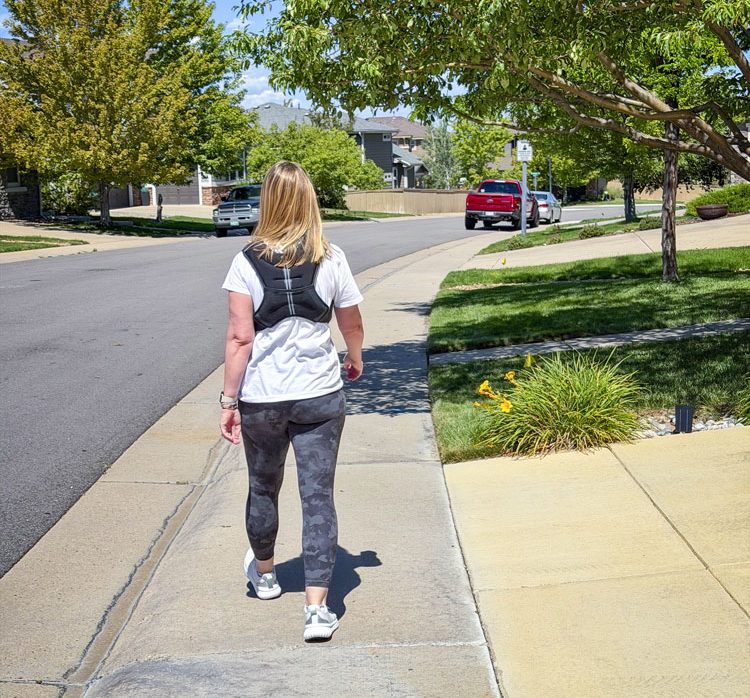
Incorporating a weighted vest into one’s fitness routine or during daily activities like walking and doing chores can be a valuable tool to improve cardiovascular fitness, increase strength and help with bone density, according to recent research.
It has become more common to see people wearing a weighted vest while walking or working out. The extra weight increases the difficulty and intensity of activity, with benefits including improved bone density, strength, cardiovascular health and more.
A weighted vest allows for a more evenly distribution of weight, which can be safer and more comfortable, versus wrist or ankle weights or carrying weight in a backpack (known as rucking).Wearing a weighted vest during walks or bodyweight exercises like squats, lunges or push ups can be more effective without needing heavy exercise equipment.
Numerous studies have confirmed that wearing a weighted vest is beneficial for bone density, according to the National Library of Medicine. Researchers found that as little as 12 weeks of exercise training with a weighted vest helped reduce bone loss. Another study found that there was a significant increase in bone-mineral density among postmenopausal women with osteopenia, a loss of bone density, after six months of wearing a weighted vest, according to experts at prevention.com.
Christy Garbus, family nurse practitioner and partner at Big Life Integrative Health in Castle Pines, stated, “Adding a weighted vest to your walking routine can be an excellent way to gently increase your stamina, improve muscular endurance, improve balance/strength, and increase weight intensity for your workouts.”
Molly Rosenmeyer, graphic designer for The Castle Pines Connection, shared that she likes to wear a weighted vest around the house when she is cleaning or making dinner. “I also wear it when I’m working at my computer. It helps with posture and core. I love my vest so much that I have gifted many friends a vest for their birthdays,” Molly exclaimed.
Check with your health practitioner, as there can be risks. Christy pointed out that weighted vests do increase load on your joints, which could exacerbate existing injuries, and too much weight could cause musculoskeletal harm. “The additional weight increases intensity, which is great for cardiovascular health, but if you have uncontrolled blood pressure or heart disease, this should first be managed with your primary care provider,” Christy advised.
“If you’re looking to really increase muscle mass and bone density, energy should be put towards heavier weights and strength training, not just a weighted vest. Muscle mass is the currency of longevity,” Christy added.
To choose a vest, experiencelife.com recommends focusing on three main factors: starting with 5% to 10% of your body weight, picking an adjustable design so you can add or remove load over time, and ensuring a snug, comfortable fit that does not bounce or restrict your breathing. Prices range from about $30 for basic lightweight vests to more than $200 for models with high-end materials.
Article by Lisa Nicklanovich; photo by Molly Rosenmeyer