Sourdough starters
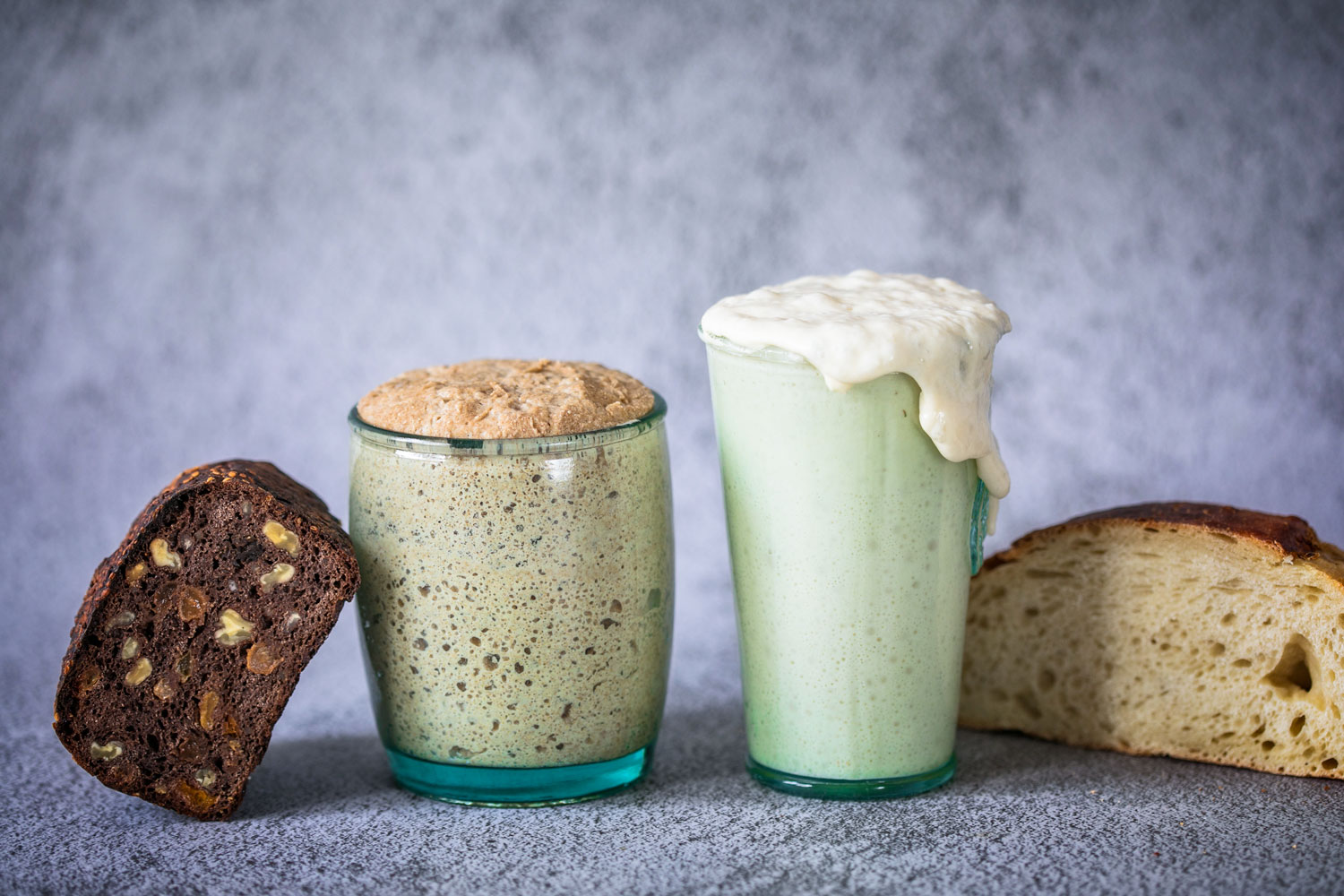
Join the masses making homemade sourdough. Its health benefits are vast—and it is delicious.
Making homemade sourdough bread is not new, but enthusiasm blossomed during the pandemic and the trend continues to be popular today. A sourdough starter is a combination of flour and water that is “fed” over time, generating wild yeast from the air to develop beneficial lactic acid bacteria to give rise and fermentation. Feeding means to continue to add flour and water to the yeast. Some starters have been kept alive for decades, and some even for a century.
The benefits of homemade sourdough are vast. Those who are gluten intolerant or sensitive can often eat it. Its glycemic index is low, making it an option for people wanting to regulate blood sugar.
“Homemade sourdough has great health benefits,” shared Kim Becker, Knightsbridge neighbor and personal health coach.
Since sourdough is fermented, it helps improve gut health. “Our gut controls so much, including over 70% of our immune system, 90% of serotonin production (happy chemical in the brain) and helps with nutrient absorption and digestion,” added Kim.
Always wanted to try a sourdough starter? On Friday, November 7, Forest Trail Farm will host Sourdough: From Starter to Loaf for adults at the Douglas County Library – Castle Pines. The event runs from 4:00 p.m. to 6:30 p.m. in the Event Hall and costs $25 per person.
To register for the class at dcl.org, select Library Events and search “sourdough.” Participants will need to bring a large mixing bowl, a hand towel and a dough whisk (not a bulb whisk).
By Elean Gersack, courtesy photo