Wars and social upheaval: 1910-1965 (Part 4 of 5)
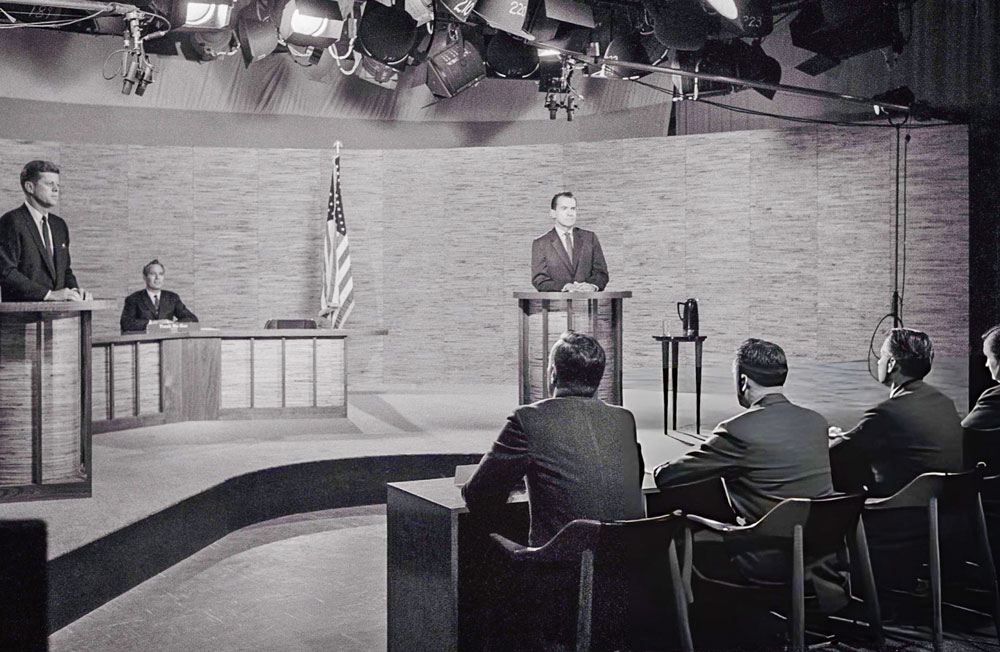
The first televised presidential debate between John F. Kennedy and Richard Nixon in 1960.
Experiencing muscular economic growth, the United States came late into World War I in 1917, after German submarines began sinking our merchant ships. We joined the allied powers of France, Great Britain, Italy and Russia pitted against axis nations of Germany, Austria-Hungary and the Ottoman Empire. Despite casualties, America emerged stronger than ever. At war’s end, we were the world’s powerhouse.
The years between world wars were unsettled. The Roaring Twenties gave America a false sense of unending prosperity. The pioneering Wright Brothers catapulted transportation into a new age and the era’s architects unveiled the art deco style. Baseball gained popularity as America’s pastime. The 18th Amendment prohibited alcohol and the 19th gave women the right to vote.
Unfortunately, the stock market rose to unsustainable highs and the ride ended. After crashing in 1929, unemployment rose to 25%. Half of all home mortgages were in foreclosure by 1933. The poorest citizens were selling apples on the street.
President Franklin D. Roosevelt’s “New Deal” solution in 1933 sparked America’s eventual turnaround. His program included aid to the unemployed and a series of social and economic policies geared to providing relief, recovery and reform at all levels.
World War II began with the Nazi invasion of Poland. We supported European allies with weapons, munitions and food. Japan bombed Pearl Harbor in 1941, bringing us into World War II; our industrial machine went into overdrive. Though the Hiroshima and Nagasaki atomic bombs ended the conflict, they marked the beginning of the Cold War, the ideological battle between the United States and Soviet Union, China and allies.
The late 1940s and 50s started triumphantly enough with new diversions: the advent of rock and roll, wide-finned automobiles and television’s debut. Unfortunately, the Cold War grew hot and from 1950-1953 we staved off communist encroachment into South Korea at the cost of 37,000 American lives.
Domestically, doubt crept into America about government competency, political strife between the parties acting as the incendiary. The 1960 presidential debates between then Vice-President Nixon and United States Senator John F. Kennedy, the first of their kind, put those political differences in sharp contrast.
It was also a period of suburbanization, prosperity and the beginnings of polarization, both economically and racially. Women’s rights and efforts to expand them were in the courts and headlines shattering what was once a “man’s world.” Though President Harry Truman had finished armed forces integration in 1954, racism remained prevalent, the nation’s sense of equity and fairness constantly challenged by citizens of color. High profile icons like Dr. Martin Luther King Jr. (assassinated in 1968) marched for equality with frequent protests flashing across people’s silver screens.
President Kennedy’s Bay of Pigs fiasco made international news as well as his assassination in 1963. His promising New Frontier program was dashed on the rocks, as Lyndon B. Johnson became the new president.
With Communist aggression evident again in Vietnam, Johnson received congressional support for the Gulf of Tonkin Resolution, authorizing military force in 1964. Dissidence dominated our streets, colleges and TV screens. Citizens of all stripes began further questioning their government.
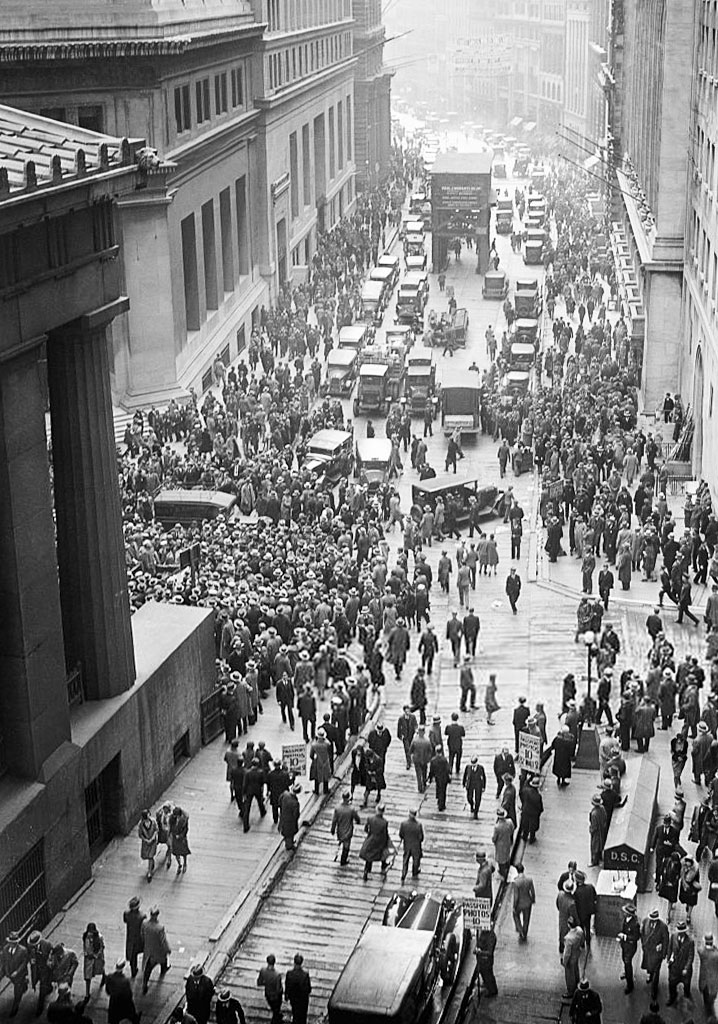
Wall Street during The Crash of 1929.
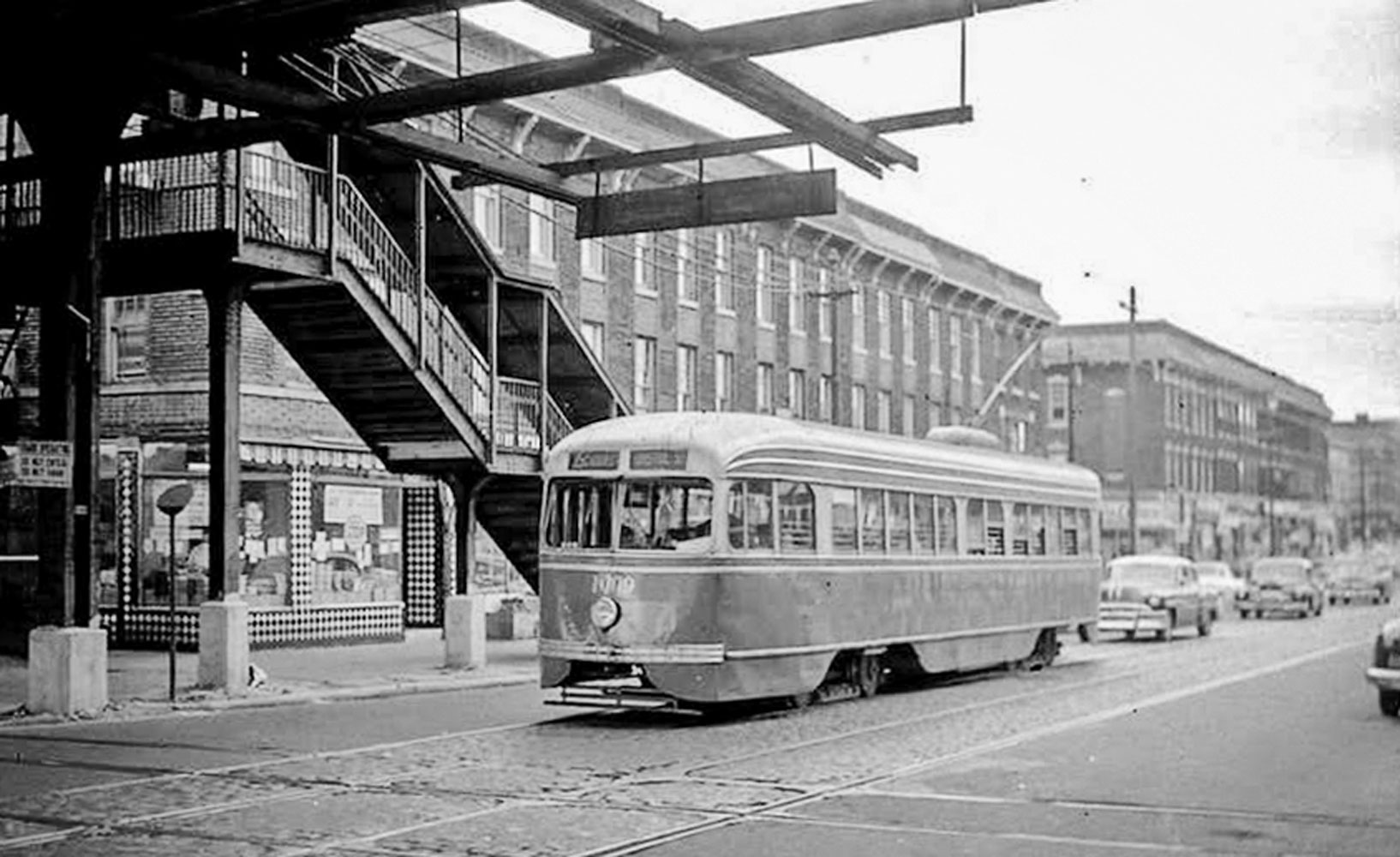
A streetcar was a common mode of transportation in many cities across America before cars and buses made their debuts.
By Joe Gschwendtner; courtesy photos