Colorado living: State symbols & emblems, part 4
Recognizing 150 years of Colorado statehood, this segment of Colorado’s official symbols and emblems looks at some water-loving creatures that are official state symbols. The state amphibian is the western tiger salamander; the state fish is the greenback cutthroat trout; and the state reptile is the western painted turtle.
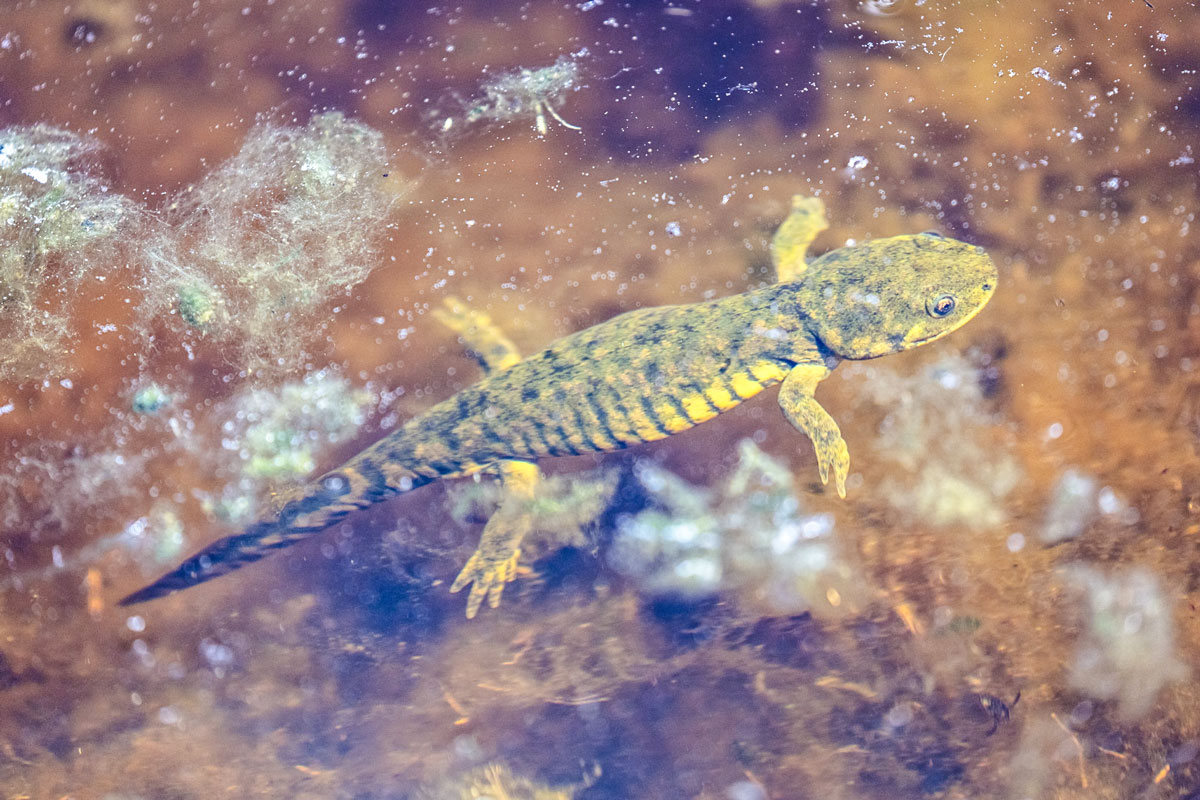
The western tiger salamander is Colorado’s official amphibian.
Supported by students from multiple Colorado schools, the western tiger salamander was declared the state’s official amphibian in 2012. Also known as the barred tiger salamander, this amphibian is primarily nocturnal and is found statewide at all elevations. The salamanders breed in lakes, reservoirs, ponds and pools in the spring or summer. The young initially lack legs. They develop front legs first, with hind legs developing after they reach about an inch in length. The adults are generally around nine inches long and spend much of their time in moist homes under rocks or logs or in rodent burrows. The salamander’s skin is smooth and moist, light olive or brown to nearly black, often with yellow blotches or streaks on the back and sides. It has a dull, lemon-yellow-colored belly, with irregular black spots.
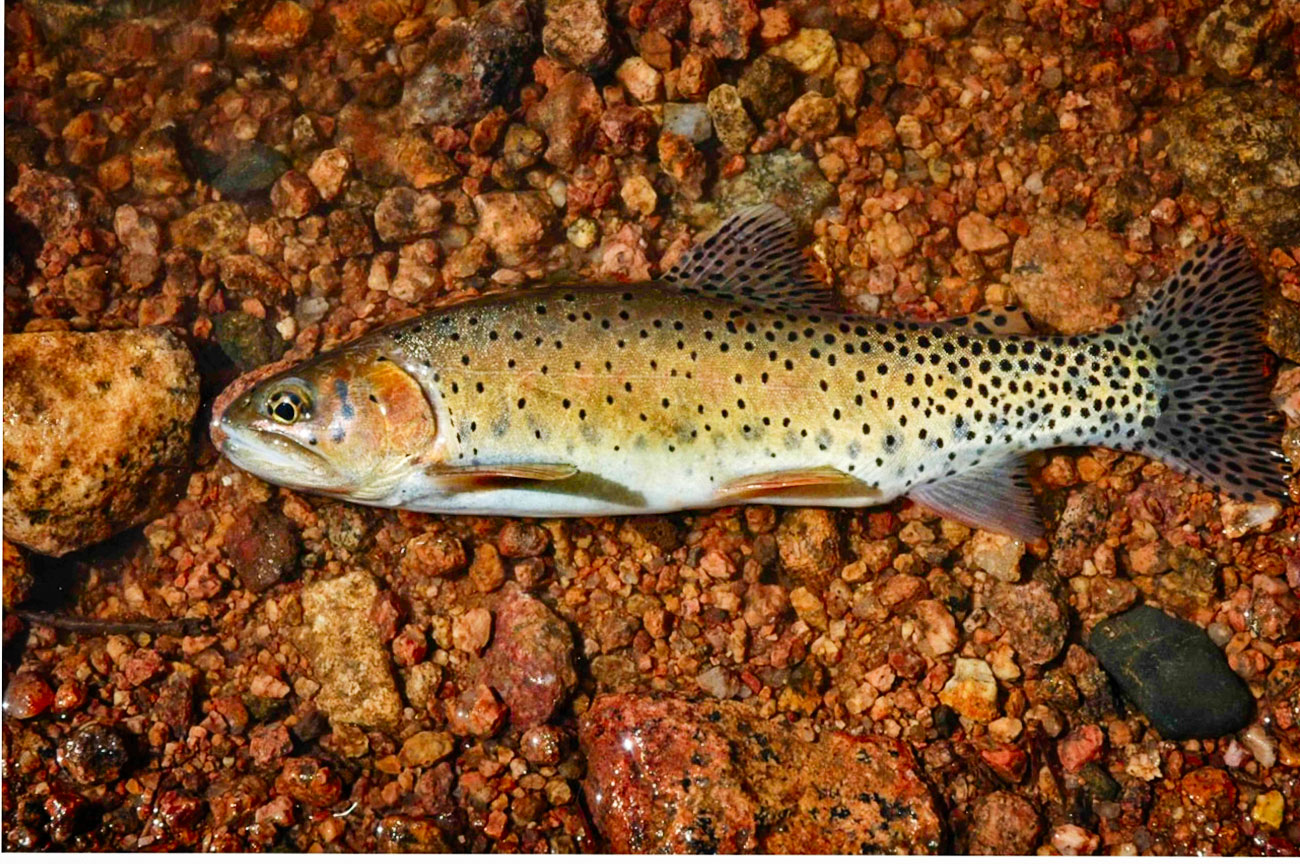
The greenback cutthroat trout became Colorado’s state fish in 1994.
The greenback cutthroat trout was adopted as the official state fish in 1994. Prior to that, from 1954, the rainbow trout had been considered the state fish, but it was never officially adopted. The greenback cutthroat trout is one of three subspecies of cutthroat native to Colorado.
This cold-water fish is considered threatened at both the state and federal level, struggling to recover from habitat alterations from mining, agriculture and water development reaching back to the mid-1800s. It spawns at higher elevations, generally from late May to mid-July. The greenback cutthroat trout is vibrantly colored, with dark, round spots on the sides and tail. Its name of “cutthroat” comes from the two red stripes on each side of the throat under the jaw.
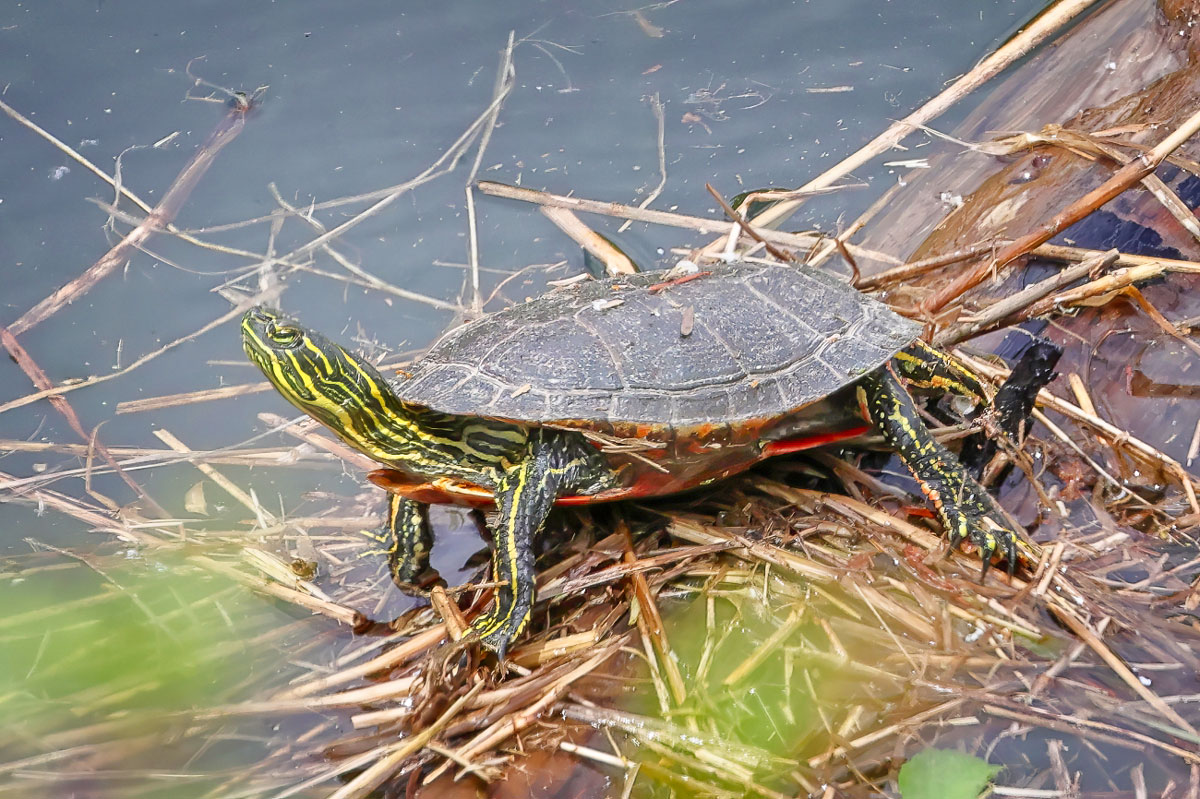
The western painted turtle is Colorado’s official state reptile.
In 2008, thanks to the efforts of Westminster’s Skyline Vista Elementary fourth graders, the western painted turtle was adopted as Colorado’s official state reptile. Found throughout most of eastern Colorado, the turtle’s preferred habitats include permanent ponds, reservoirs, marshes, river backwaters, slow-moving streams and nearby seasonally-flooded temporary waters. The turtles like to bask on partially submerged logs, often basking in groups on a single log. Their shells are hard, smooth and somewhat flat. Their upper shells have narrow, yellow lines. Their lower shells are orange or reddish with dark markings. Bright yellow lines mark their heads and limbs. They are sometimes confused with the red-eared slider, but painted turtles have flatter, smoother shells and lack the red streaks on either side of their heads.
For more information, visit archives.colorado.gov or cpw.state.co.us/species-profiles and search for the creature in which you are interested.
By Susan Helton; courtesy photos