It’s an Otter Y.E.A.R.
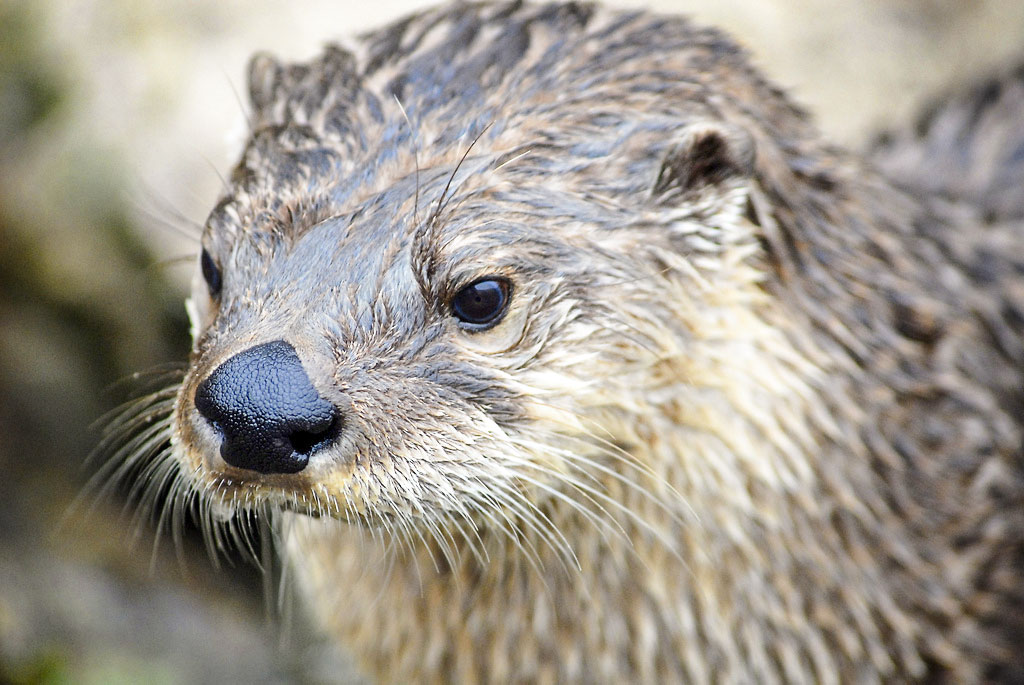
A North American river otter.
Colorado Parks and Wildlife (CPW) has declared 2026, the 50th anniversary of the reintroduction of otters to Colorado waterways, to be the Otter Y.E.A.R. (Yearlong Engagement and Assessment of River Otters).
North American river otters, also called northern river otters or Canadian otters, were once common throughout the United States and Canada. Early European settlers caused a massive decline in their numbers, primarily by over-trapping for fur. By 1900, otters were nearly extinct in Colorado.
In 1976, a reintroduction program began, releasing more than 100 otters from other states into five Colorado waterways: Cheesman Reservoir, the Gunnison River, the Piedra River, the Colorado River in Rocky Mountain National Park and the Dolores River. Utah also released otters near the northern Utah-Colorado border. Surveys have shown that otter numbers are recovering in Colorado, with breeding populations being established, but more comprehensive studies are needed.
The Y.E.A.R. program involves documentation of current otter population, which will be compared to the recovery benchmarks established in CPW’s 2003 Otter Recovery Plan. These measurements will be taken by CPW staff and partner organizations, and by the public through iNaturalist (see related story on page 28).
Otters are mustelids (part of the weasel family) and are comfortable both on land and in the water. Despite the “river” in the name, these otters can swim in both freshwater and saltwater, and can live in almost any aquatic habitat. In Colorado, they are most likely to be found in beaver ponds, streams and warm water sloughs along the South Platte River. They are most active at dawn and dusk.
River otters have small ears, prominent noses and long whiskers. Their thick, water-repellent fur provides excellent insulation even in cold, winter water. They are three to four-and-a-half feet in length, with a thick, tapered, cylindrical tail comprising approximately one-third of their body. They are known for their playfulness—sliding on ice, chasing and wrestling each other and gracefully swimming just for the joy of it. They feed on primarily fish and crayfish (crustaceans), but occasionally eat other small animals and fruit. River otters are very social, often found in family groups. Groups of otters are often called a “romp” on land and a “raft” in water.
For more information, visit cpw.state.co.us/otteryear or submit observations at inaturalist.org/projects/colorado-s-otter-y-e-a-r.
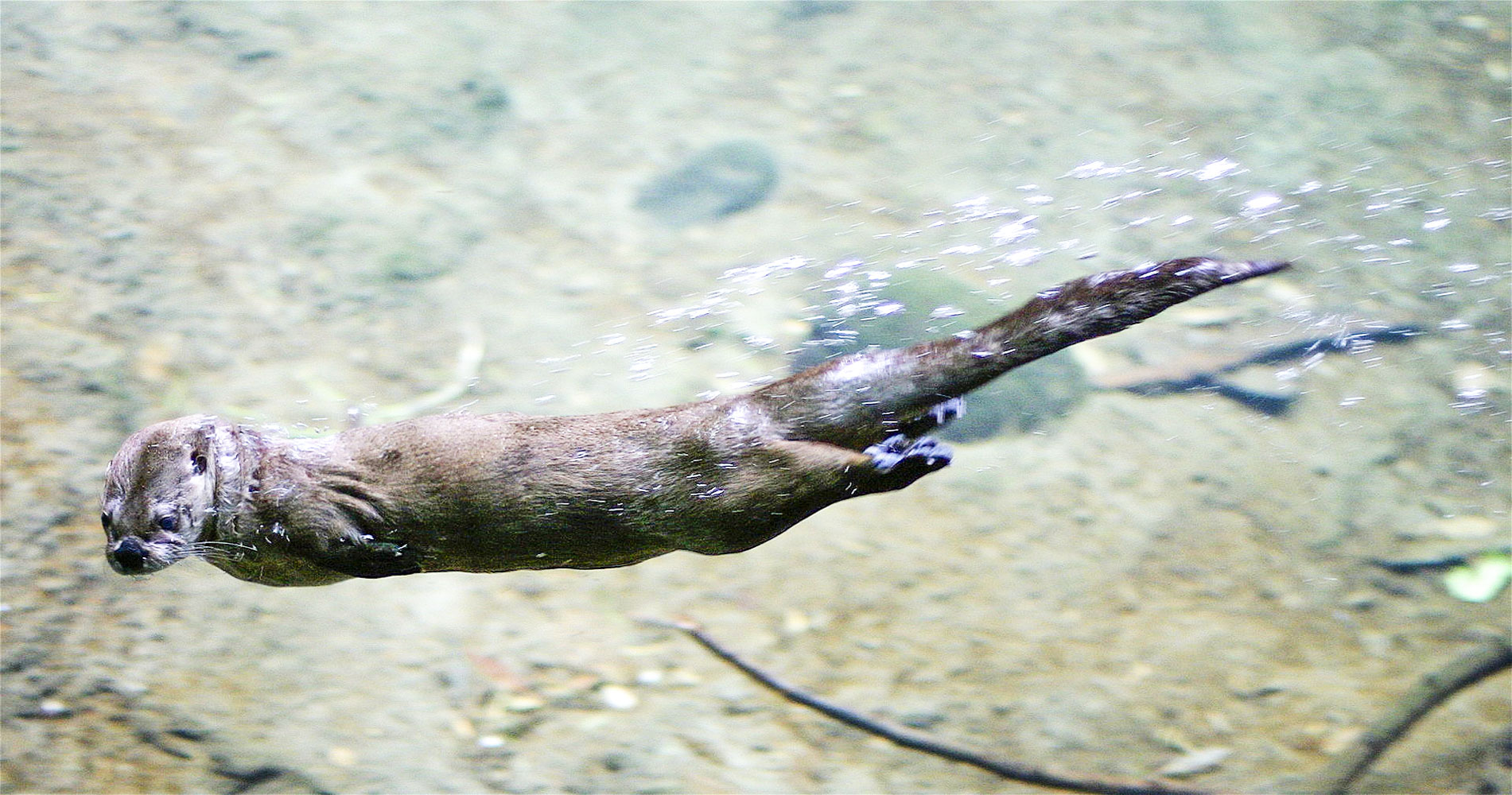
Otters’ long bodies help them glide gracefully through the water.
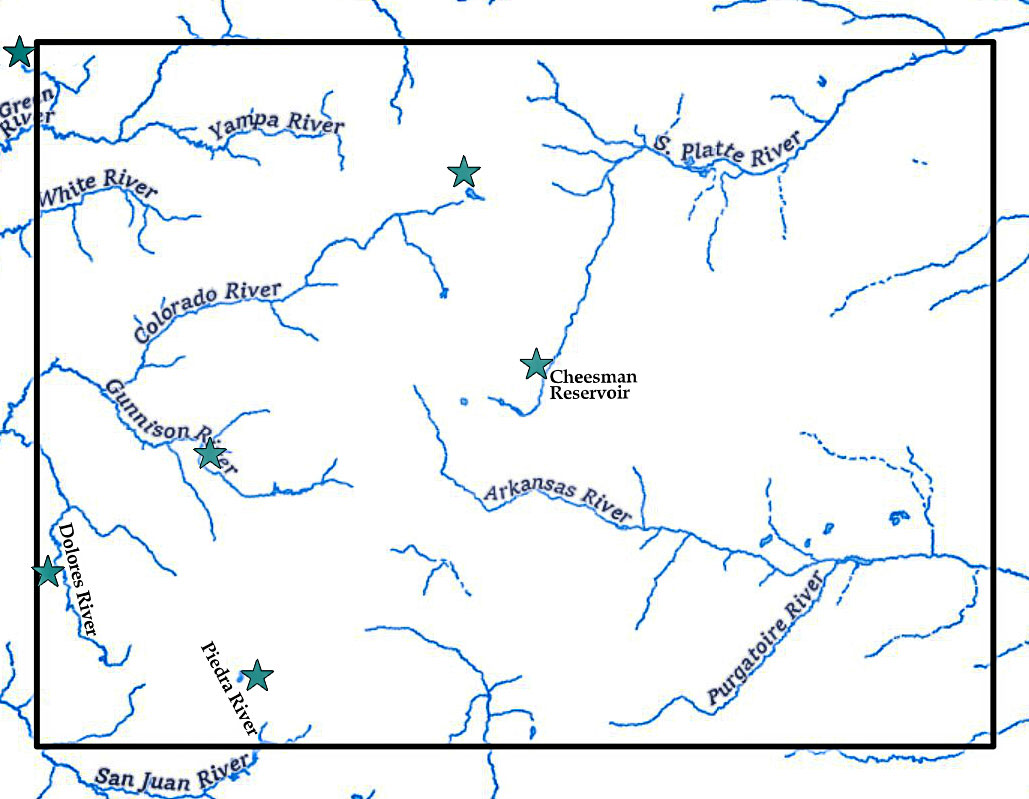
Beginning in 1976, otters were released at six sites, marked by stars, in or near Colorado rivers as a reintroduction effort.
Article and image by Rachel Poe; photos courtesy of Chris Paul and Cacophony